
The Border Terrier is a scruffy, cheerful little working dog with a head often compared to an otter's and a heart full of grit. It was developed in the hill country along the border between Scotland and England, where farmers needed a tough terrier that could keep up with horses and then dig after foxes that threatened their livestock.
Today, the Border Terrier is just as happy on the sofa as it is on a long country walk. It is affectionate, good-natured and adaptable, yet it still carries plenty of terrier spirit. In this complete Border Terrier dog breed guide, you will learn about its size, temperament, grooming, exercise needs, health, diet, history and whether it is the right match for your home.
Border Terrier at a Glance
| Trait | Details |
|---|---|
| Breed group | Terrier (AKC) |
| Height | About 13 to 16 inches (33 to 41 cm) for males; 11 to 14 inches (28 to 36 cm) for females |
| Weight | 13 to 15.5 pounds (5.9 to 7 kg) for males; 11.5 to 14 pounds (5.2 to 6.4 kg) for females |
| Life expectancy | Roughly 12 to 15 years |
| Coat | Short, wiry, weather-resistant double coat |
| Colors | Red, grizzle and tan, blue and tan, wheaten |
| Shedding | Low; coat "blows" seasonally |
| Energy level | High |
| Temperament | Good-tempered, affectionate, plucky, alert, determined |
| Good for | Active families, first-time owners willing to train, homes with secure yards |
| Origin | Scotland–England border (1700s) |
What Is a Border Terrier?
The Border Terrier, often called simply a "Border" by fans, is a small, rugged working terrier from the Cheviot Hills region that straddles Scotland and England. Unlike some terriers that were refined mainly for the show ring, it has kept a practical, no-nonsense look and a strong work ethic.
It belongs to the American Kennel Club's Terrier Group. Owners often describe it as one of the softer, more easygoing terriers. It is still a hunter at heart, but it tends to be friendlier with other dogs and more relaxed indoors than many of its cousins.
Border Terrier Size and Appearance
How Big Do Border Terriers Get?
Borders are small dogs, with males usually standing about 13 to 16 inches tall and females about 11 to 14 inches. Males typically weigh 13 to 15.5 pounds, while females weigh around 11.5 to 14 pounds.
The Border Terrier size was no accident. The dog had to be long-legged enough to follow riders across rough ground, yet narrow and flexible enough to squeeze into a fox's den. That is why the breed has a fairly narrow chest; a common old test was whether a person could span the dog's chest behind the shoulders with both hands.
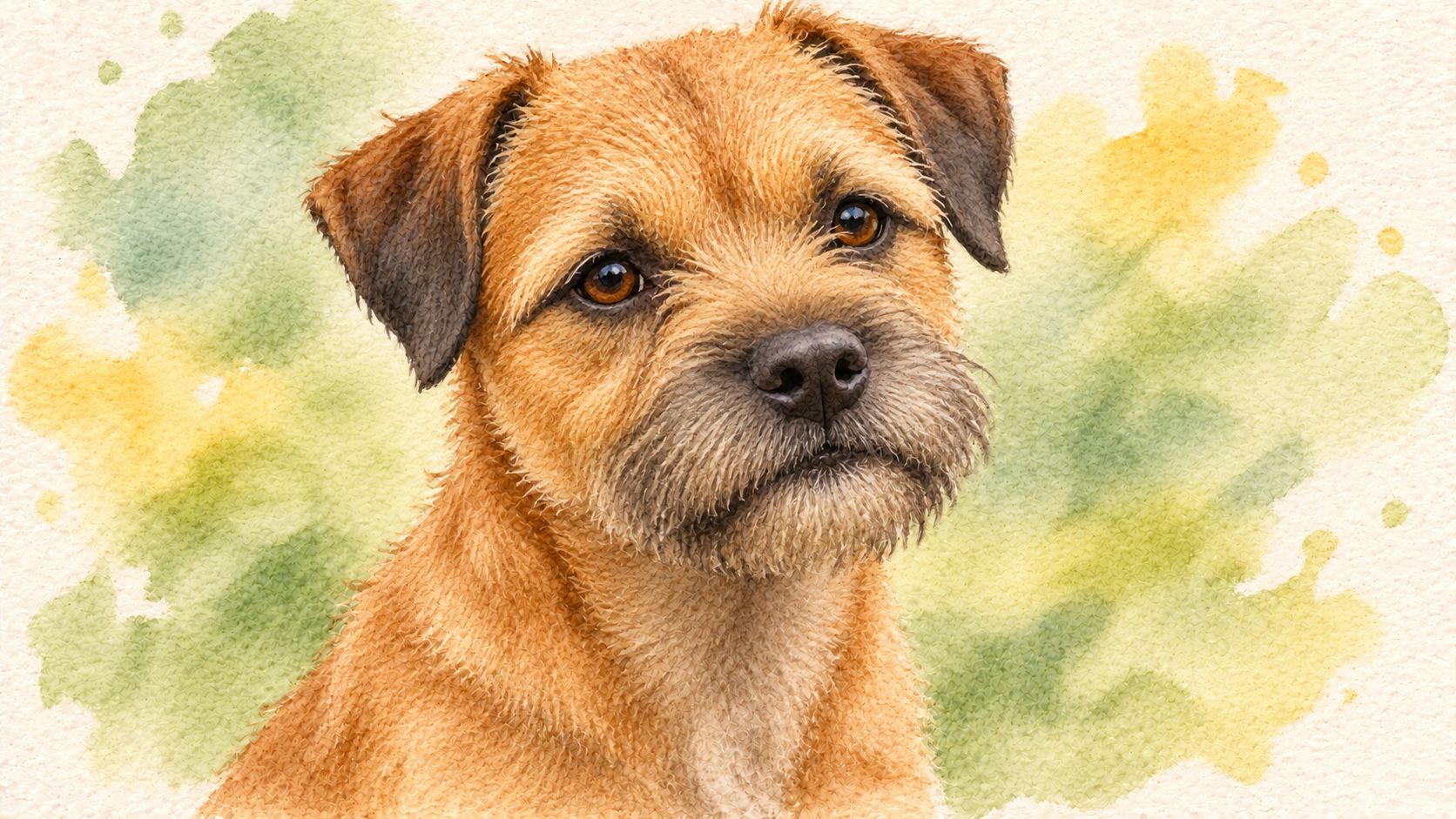
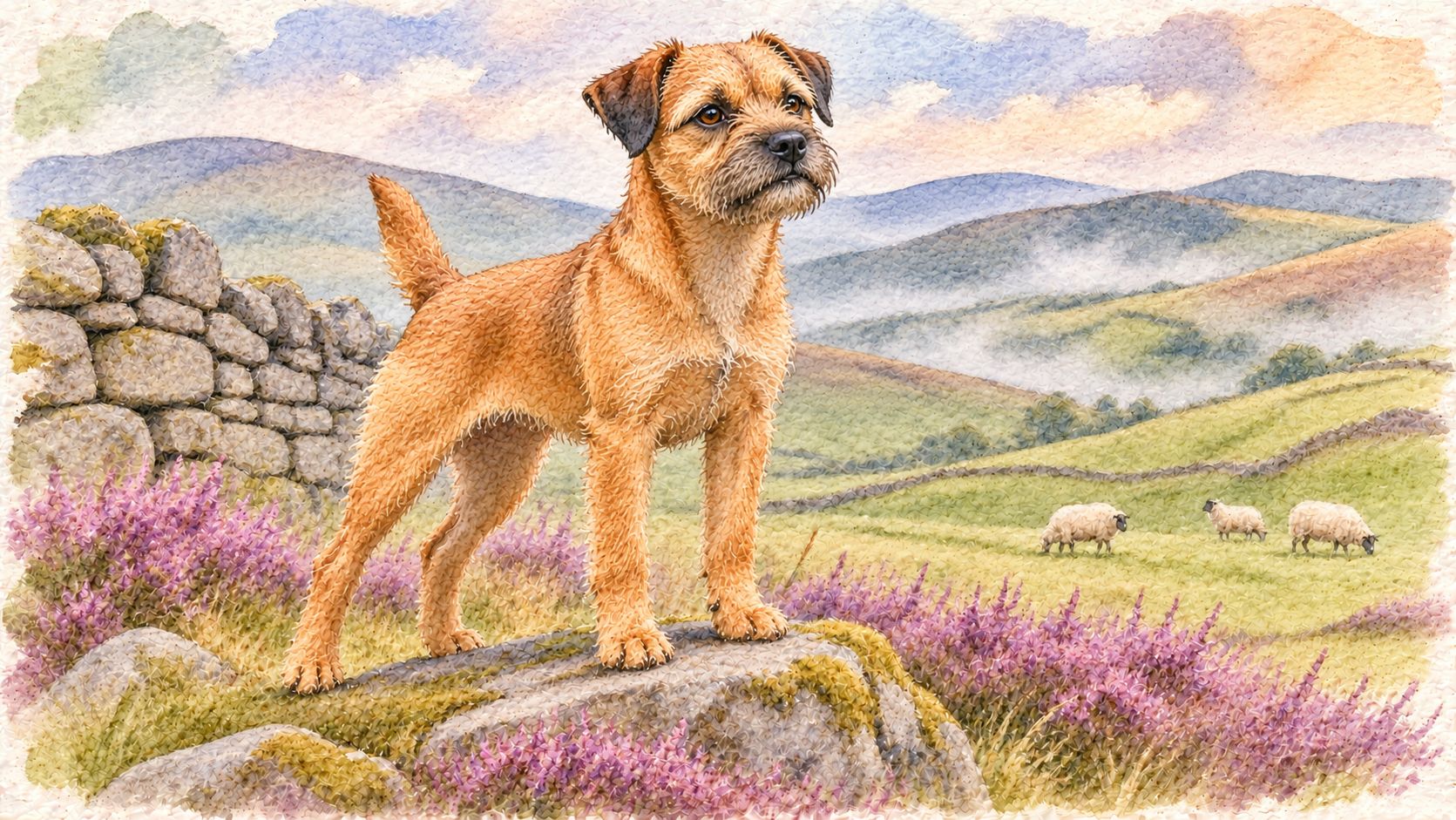
The breed's most famous feature is its otter-like head. It has a broad skull, a short, strong muzzle, dark alert eyes and small V-shaped ears that drop forward close to the cheeks. A short, thick tail that tapers to a point completes the look.
Coat and Colors
This terrier wears a harsh, dense, wiry outer coat over a short, soft undercoat. Together they form a weather-resistant jacket that helped the dog work in wind, rain and mud. A thick, loose skin offered extra protection when the terrier went to ground.
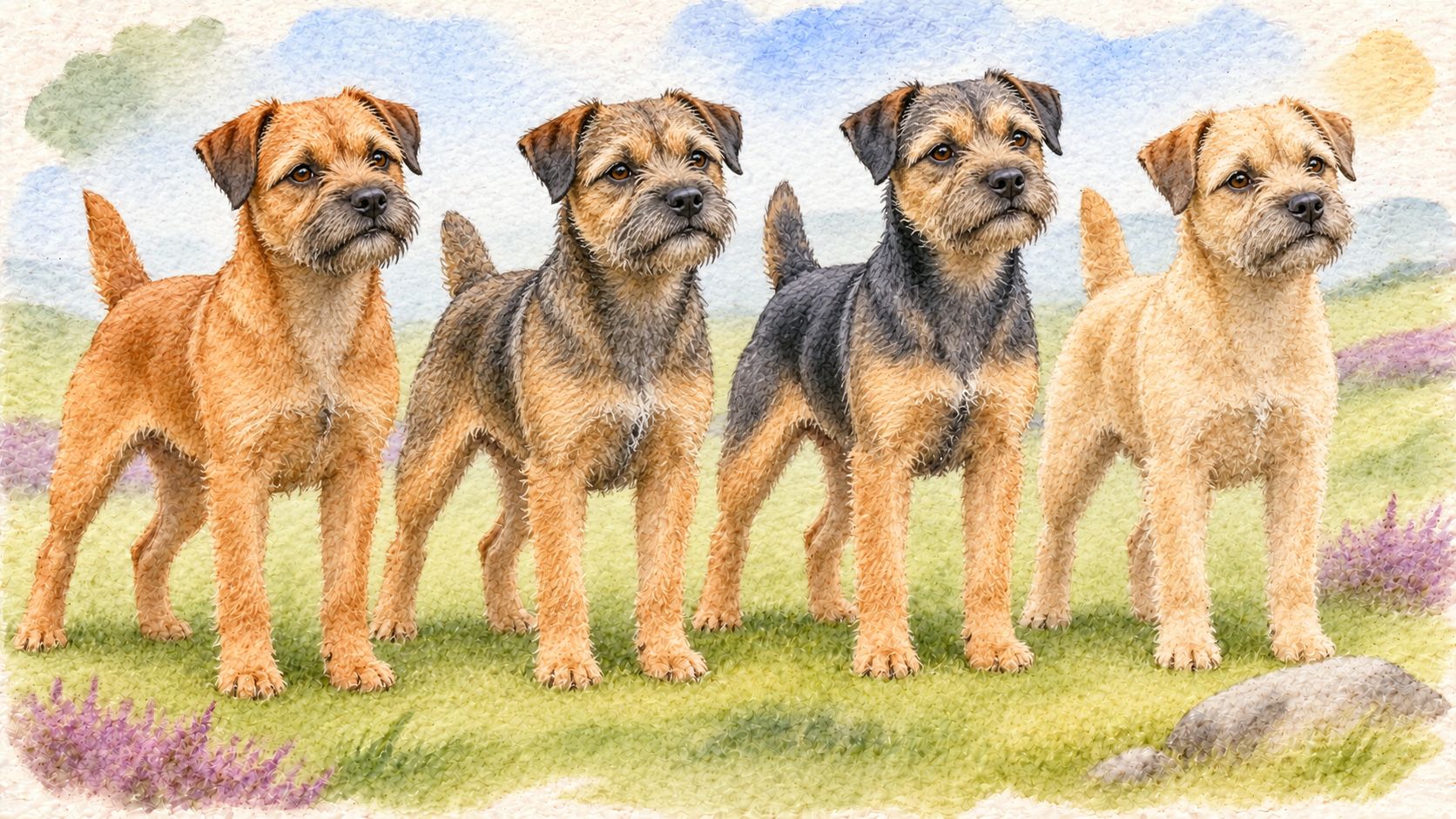
Accepted colors are red, grizzle and tan, blue and tan, and wheaten. Many have a darker muzzle, and grizzle and tan dogs often lighten or change shade as they mature.
Border Terrier Temperament and Personality
The Border Terrier temperament blends a working dog's drive with a sweet, family-loving nature. Most are:
- Affectionate: They love their people and usually want to be close to the action at home.
- Good-tempered: Compared with many terriers, they tend to be easygoing and less quarrelsome.
- Plucky and determined: Once a Border sets its mind on something, it can be hard to distract.
- Intelligent: They learn quickly and enjoy having a job to do.
- Alert: They will usually let you know when visitors arrive, though most are not excessive barkers.
- Curious and adventurous: This dog loves exploring new smells, places and games.
Because the breed was built for stamina, a bored dog may invent its own fun, such as digging in the garden or chewing household items. Plenty of activity and attention keep this lively personality at its best.
Are Border Terriers Good Family Dogs?
Yes, Border Terriers are generally very good family dogs for active households. They are usually patient, playful and affectionate with children, and their sturdy build makes them less fragile than many small breeds.
As with any dog, teach kids to handle the dog kindly and always supervise play. A well-socialized Border can be a fun and loyal playmate for older children who enjoy walks and games.
Are Border Terriers Good With Other Pets?
Borders usually get along well with other dogs, especially when raised with them. Cats can also work out if the dog grows up with them, though some individuals will still chase.
Their hunting heritage gives them a strong prey drive. Pet rabbits, guinea pigs, hamsters and other small animals are usually not a safe mix. Early socialization with many people, animals and situations helps a Border Terrier puppy grow into a confident, well-mannered adult.
Training a Border Terrier
Borders learn quickly and generally respond well to obedience training. They can, however, show a typical terrier independence, especially when an interesting scent appears. Patience, consistency and positive reinforcement bring out the best in them.
Try these training tips:
- Start early. Begin socialization and basic manners as soon as your puppy comes home.
- Use rewards. Food, praise and toys work far better than harsh corrections with this sensitive breed.
- Work on recall. A strong prey drive means a reliable "come" takes time. Practice in safe, enclosed areas.
- Keep it varied. Short, fun sessions keep a quick-thinking terrier interested.
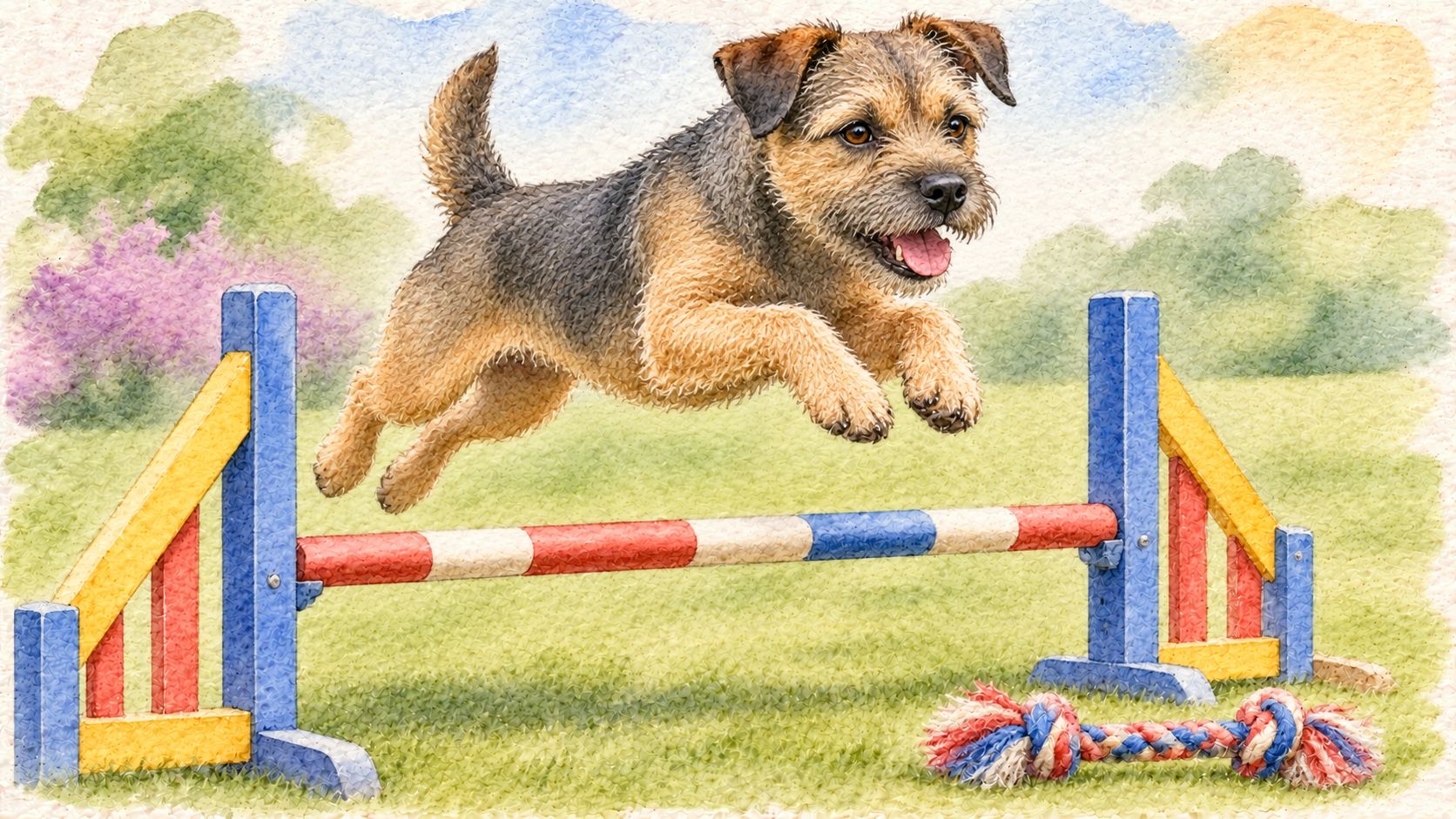
- Give it a job. Borders often shine in agility, obedience, rally, tracking and earthdog trials.
Exercise Needs
The Border Terrier is a high-energy breed that does best with a job and plenty of daily exercise. Plan on at least an hour of activity a day, split between brisk walks, play sessions and brain games.
This breed has impressive endurance for its size. Many Borders make excellent hiking or jogging partners once they are fully grown, and they enjoy sniffing games and puzzle toys that use their clever minds.
Secure fencing is a must. Borders are known for digging and squeezing through small gaps, and they may take off after a squirrel without a second thought. Keep your dog on a leash in unfenced areas.
Border Terrier Grooming
Do Border Terriers Shed?
Borders shed lightly most of the year, but their coat "blows" a couple of times a year, when dead hair loosens and comes out more heavily. Regular brushing and seasonal stripping keep shedding manageable.
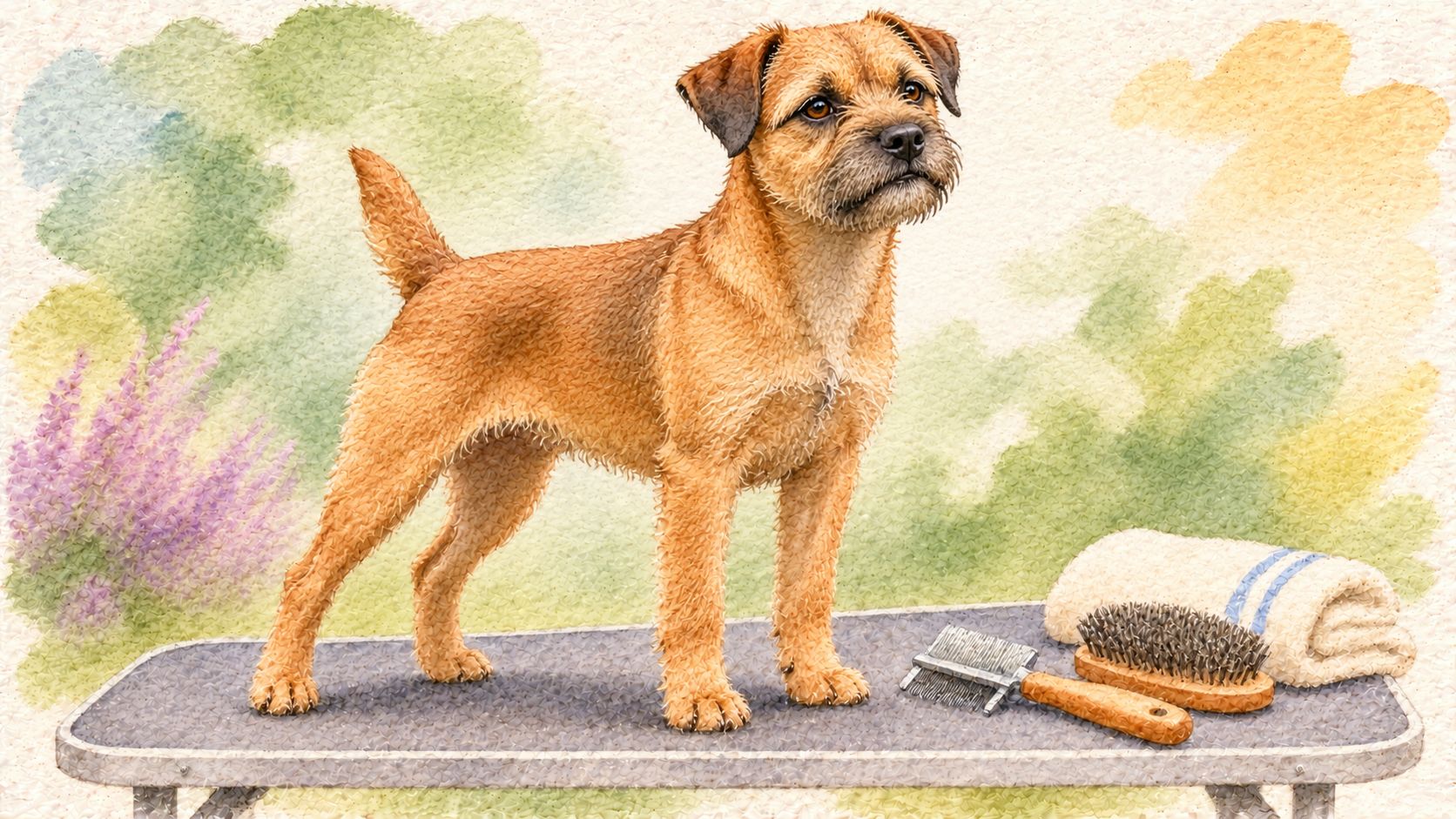
Border Terrier grooming is fairly simple compared with many breeds. The wiry coat naturally repels dirt, and the breed should look tidy but natural rather than heavily trimmed. No dog is truly hypoallergenic, so allergy sufferers should spend time with the breed before deciding.
Grooming Routine
- Brushing: Brush once a week to remove loose hair and keep the coat tidy.
- Hand stripping: About twice a year, the dead outer coat is plucked out by hand or with a stripping tool. Clipping can soften the coat and reduce its weather resistance, so many owners and groomers prefer stripping.
- Bathing: Bathe only when needed, as frequent baths can soften the harsh coat.
- Nails: Trim nails every few weeks if they don't wear down naturally.
- Teeth: Brush teeth several times a week to support good dental health.
- Ears: Check the ears weekly for dirt, redness or odor.
Border Terrier Health and Lifespan
How Long Do Border Terriers Live?
The Border Terrier lifespan is typically about 12 to 15 years, and many live well into their teens with good care. The breed is generally considered hardy and healthy.
Like all breeds, Borders can be prone to certain conditions. Responsible breeders screen their dogs, and conditions sometimes seen in the breed may include:
- Hip dysplasia: An abnormal formation of the hip joint.
- Luxating patella: A kneecap that slips out of place, common in small breeds.
- Eye conditions: Regular eye checks help catch problems early.
- Heart conditions: Some breeders screen for heart issues.
- Canine epileptoid cramping syndrome (CECS): A neurological condition, sometimes called Spike's disease, that has been reported in the breed.
Borders love food and can gain weight easily, so keep an eye on portions and treats. Always work with your veterinarian on regular checkups, vaccinations and preventive care.
Feeding and Nutrition
This breed does well on a high-quality, complete and balanced dog food suited to its age, size and activity level. Active adults may need slightly more calories, while less active or older dogs may need fewer.
Puppies should eat a food made for puppies to support healthy growth. Follow the guidelines on the food package, adjust as needed to keep your dog lean, and ask your veterinarian for advice. Treats are great for training but should make up only a small part of daily calories.
History of the Border Terrier
The Border Terrier's story dates back to the 18th century in the Cheviot Hills along the Scotland–England border. Farmers and shepherds in this rugged area needed a terrier that could help protect their sheep and other farm stock from foxes.
These dogs had to run alongside horses and hounds over long distances, then bolt or dig out a fox from its den. That job shaped the breed's long legs, narrow body, tough coat and determined spirit.
The breed takes its name from the Border region and is closely linked to the Border Hunt in Northumberland. In earlier times it was sometimes known by local names such as the Coquetdale Terrier or Redesdale Terrier.
The Kennel Club in the United Kingdom recognized the breed in 1920, and the American Kennel Club followed in 1930. While it has become a popular companion, many still enjoy working and earthdog activities today.
The breed has also found fame on screen. One Border played Puffy in the comedy There's Something About Mary, and another played Baxter, the scene-stealing dog in Anchorman.
Border Terrier vs Jack Russell Terrier
Border Terriers and Jack Russell Terriers are both small British working terriers, so people often compare them. The Border usually has a wiry, otter-headed look and is often described as a little calmer and more easygoing at home. The Jack Russell tends to be even more intense and high-octane. Both need plenty of exercise and secure fencing.
Is a Border Terrier Right for You?
This breed could be a great match if you:
- Want a small but sturdy dog that can keep up on long walks
- Enjoy an affectionate, good-natured companion
- Prefer a low-shedding coat that is easy to maintain
- Can give at least an hour of exercise and play every day
- Have a securely fenced yard
- Enjoy training or dog sports
It may not be the best fit if you:
- Keep small pets such as rabbits, hamsters or guinea pigs
- Want a low-energy dog that is content with short strolls
- Cannot supervise digging or escape attempts
- Want a dog that is always reliable off-leash
Finding a Border Terrier Puppy
When looking for a puppy, choose a reputable breeder who health-tests their dogs and raises puppies in a home setting. A good breeder will ask you questions too and stay in touch after you take your puppy home.
You can also contact breed clubs and rescue groups. Adult Borders sometimes need new homes, and an adult can be a wonderful choice if you prefer to skip the puppy stage.
Fun Facts About the Border Terrier
- The breed's head is often described as "otter-like."
- The breed was developed to run with horses and hounds and then go to ground after foxes.
- Its loose, thick skin helped protect it while working underground.
- A Border Terrier played Puffy in There's Something About Mary.
- Baxter in Anchorman was also played by a Border.
- The AKC recognized the breed in 1930.
Frequently Asked Questions
How big do Border Terriers get?
Adult males usually stand 13 to 16 inches tall and weigh 13 to 15.5 pounds, while females stand 11 to 14 inches and weigh 11.5 to 14 pounds.
Are Border Terriers good family dogs?
Yes. They are typically affectionate, playful and good-tempered with families, especially active ones that can meet their exercise needs.
Do Border Terriers shed a lot?
No, they are a low-shedding breed for most of the year. Their coat sheds more heavily a couple of times a year, which is managed with brushing and hand stripping.
How long do Border Terriers live?
The average lifespan is about 12 to 15 years with good care, a healthy diet and regular veterinary checkups.
Are Border Terriers easy to train?
They learn quickly and respond well to positive, reward-based training. Their independent streak and prey drive mean recall needs extra practice.
Can Border Terriers live in apartments?
They can adapt to apartment life if they get plenty of daily exercise and mental stimulation. Without enough activity, they may become restless or noisy.
Final Thoughts
The Border Terrier is a delightful mix of rugged working dog and loving family companion. With its otter-like face, easy-care coat and good-natured spirit, this little terrier brings plenty of fun to an active home. If you can offer daily exercise, patient training and a secure yard, a Border Terrier may become your favorite adventure buddy.