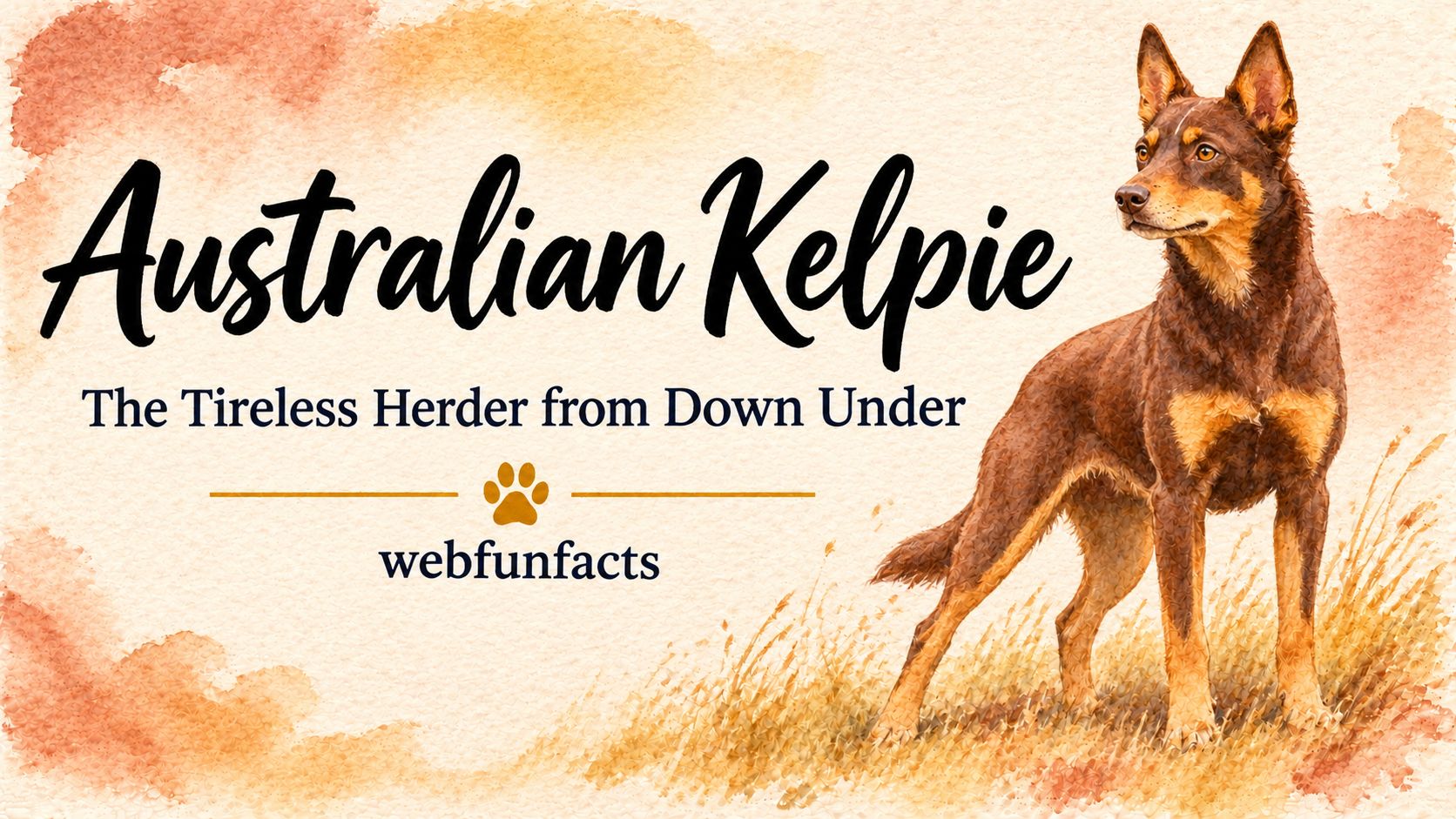
The Australian Kelpie is a lean, quick and endlessly hardworking herding dog that was built to move sheep across the vast, sun-baked farms of Australia. With its pricked ears, bright eyes and athletic frame, this breed looks like it is always ready for the next job. Back home, it is something of a national icon, celebrated with statues, festivals and a reputation as one of the toughest working dogs in the world.
But the Kelpie is more than a farm tool. It is also loyal, playful and remarkably smart, with a deep desire to work alongside its people. In this complete Australian Kelpie dog breed guide, you will learn about its size, temperament, training, exercise needs, grooming, health, diet and history, so you can decide whether this energetic herder is the right match for your lifestyle.
Australian Kelpie at a Glance
| Trait | Details |
|---|---|
| Breed group | Herding (AKC Foundation Stock Service) |
| Height | About 17 to 20 inches (43 to 51 cm) |
| Weight | 35 to 50 pounds (16 to 23 kg) |
| Life expectancy | About 10 to 13 years |
| Coat | Short, weather-resistant double coat |
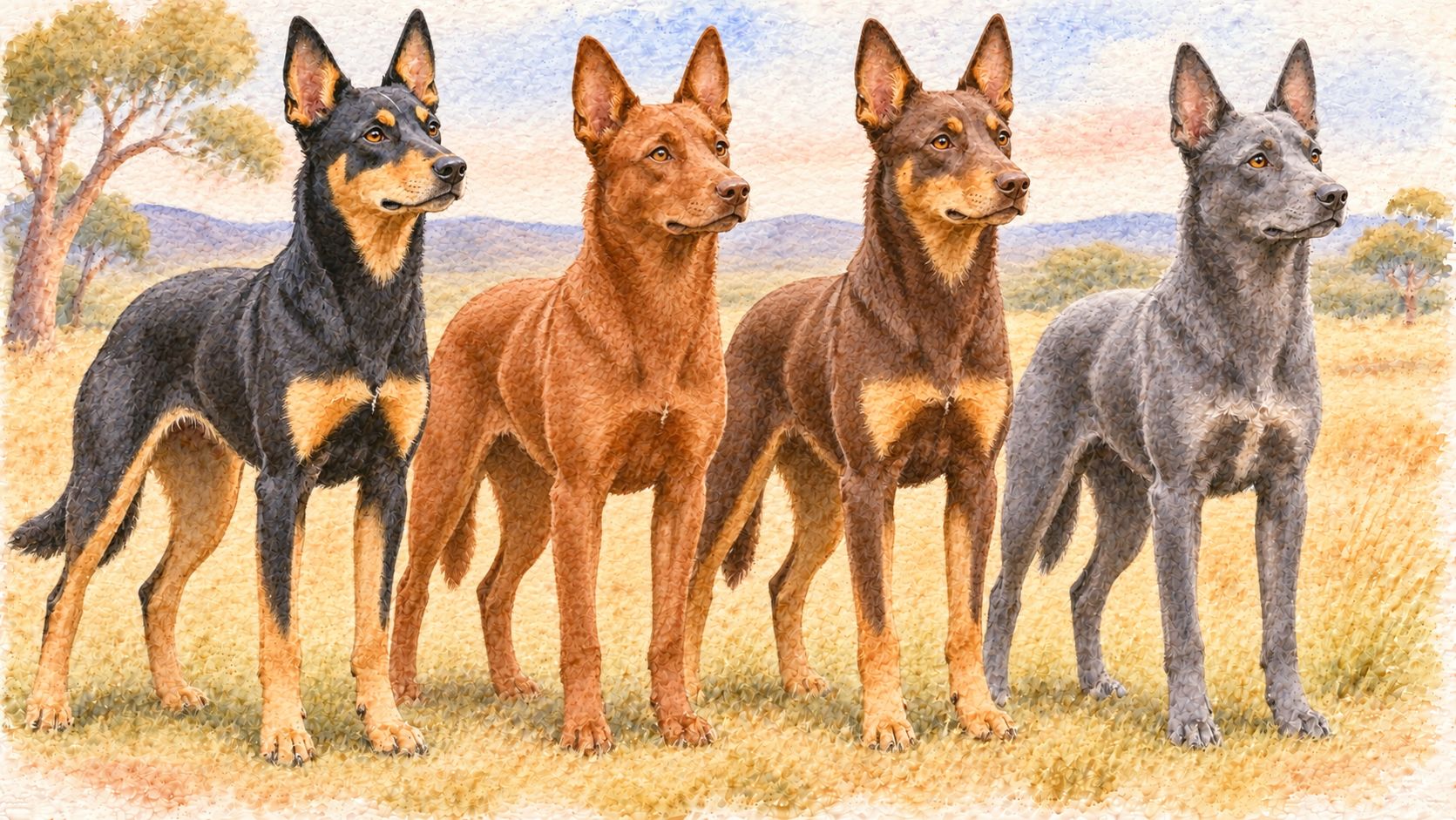
| Colors | Black, black and tan, red, red and tan, fawn, chocolate, smoke blue |
| Shedding | Moderate; heavier seasonally |
| Energy level | High |
| Temperament | Intelligent, loyal, energetic, earnest, playful |
| Good for | Active, experienced owners; rural or suburban homes |
| Origin | Australia (late 1800s) |
What Is an Australian Kelpie?
The Australian Kelpie is a medium-sized herding breed developed in Australia during the 19th century. Its ancestors were working collies brought over from Scotland, and Australian farmers shaped them into a dog that could handle huge flocks, scorching heat and long days on rough ground.
Today, the breed is still prized as a working stock dog, but many Kelpies also live as active companions, sport dogs and service animals. In the United States, the American Kennel Club lists the Australian Kelpie in its Foundation Stock Service, a step toward full recognition, and the breed is assigned to the Herding Group in that program.
Working Kelpie vs Show Kelpie
In Australia, you may hear about two types: the working Kelpie and the show (or bench) Kelpie. Working lines are bred mainly for herding ability and can vary more in looks and color. Show lines are bred to match a written breed standard. Both share the same roots, energy and intelligence.
How Big Do Australian Kelpies Get?
Most adult Kelpies stand roughly 17 to 20 inches (43 to 51 cm) tall at the shoulder and weigh about 35 to 50 pounds (16 to 23 kg). Males are usually a little taller and heavier than females.
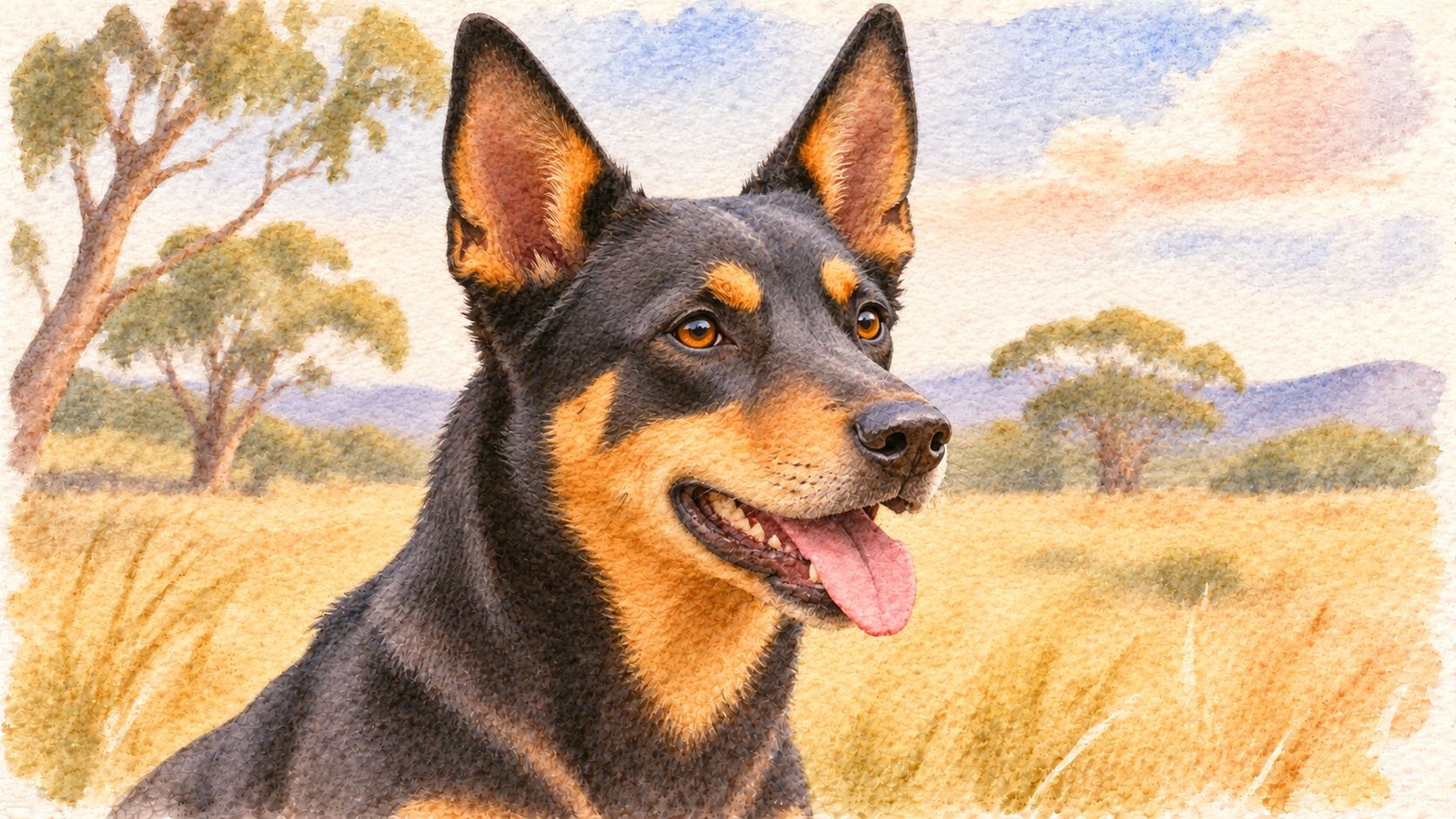
The Australian Kelpie size is ideal for its job: big enough to command respect from sheep, yet light and agile enough to turn on a dime. The body is lean, muscular and slightly longer than it is tall. The head is fox-like, with a tapered muzzle, almond-shaped eyes and alert, upright ears.
Coat and Colors
The Kelpie wears a short double coat. A dense undercoat sits beneath a hard, straight, flat-lying outer coat that sheds rain and dust. The hair is a little longer around the neck, where it forms a light ruff, and along the underside and backs of the legs.
Accepted colors include black, black and tan, red, red and tan, fawn, chocolate and smoke blue. Some dogs carry small white markings. Kelpies are solid-colored or bi-colored rather than speckled, which helps tell them apart from the mottled Australian Cattle Dog.
Australian Kelpie Temperament and Personality
The Australian Kelpie temperament is shaped by generations of hard work. These dogs are happiest when they have something meaningful to do. The breed is known for being:
- Intelligent: Kelpies learn quickly and can solve problems on their own, a skill that served them well when working far from the farmer.
- Energetic: This is a high-energy breed with impressive stamina, able to keep going long after many other dogs have stopped.
- Loyal: Kelpies bond closely with their families and like to stay near their favorite people.
- Earnest and eager: They take their tasks seriously and genuinely enjoy working with a partner.
- Playful and outgoing: Off the clock, many Kelpies are fun-loving and goofy with the people they know.
- Reserved with strangers: They are often cautious around new people, which makes them good watchdogs, but they are not typically aggressive.
When a Kelpie gets enough exercise and mental work, it can settle down and relax in the evening. When its needs are not met, however, it may invent its own jobs, such as digging, chewing, barking or herding the household.
Are Australian Kelpies Good Family Dogs?
Australian Kelpies can be great family dogs for very active households, especially those with older children. They are affectionate and loyal, but their energy and herding instinct mean they are best suited to families who can keep them busy every day.
Some Kelpies try to herd running children by circling or nipping at heels. Training, supervision and teaching kids how to play calmly with the dog all help. Homes with toddlers may find the breed's intensity a challenge.
Are Australian Kelpies Good With Other Pets?
With early socialization, Kelpies usually get along with other dogs and can live with cats they are raised with. Their urge to chase and gather moving animals is strong, though, so introductions should be slow and supervised. Socializing your Kelpie puppy with many people, animals, places and sounds is one of the best things you can do.
Training an Australian Kelpie
The Kelpie is one of the most trainable breeds you will find. It picks up new cues quickly, enjoys a challenge and responds well to consistent routines and positive reinforcement. The flip side is that a clever, bored Kelpie will happily learn bad habits too.
Here are a few training tips for Kelpie owners:
- Start early. Begin socialization and basic manners as soon as your puppy comes home.
- Use rewards. Praise, play and small treats keep this sensitive, people-focused breed motivated.
- Give it a job. Herding, trick training, scent games and fetching specific toys all channel its working drive.
- Redirect herding. Teach a solid "leave it" and reward calm behavior around kids and other pets.
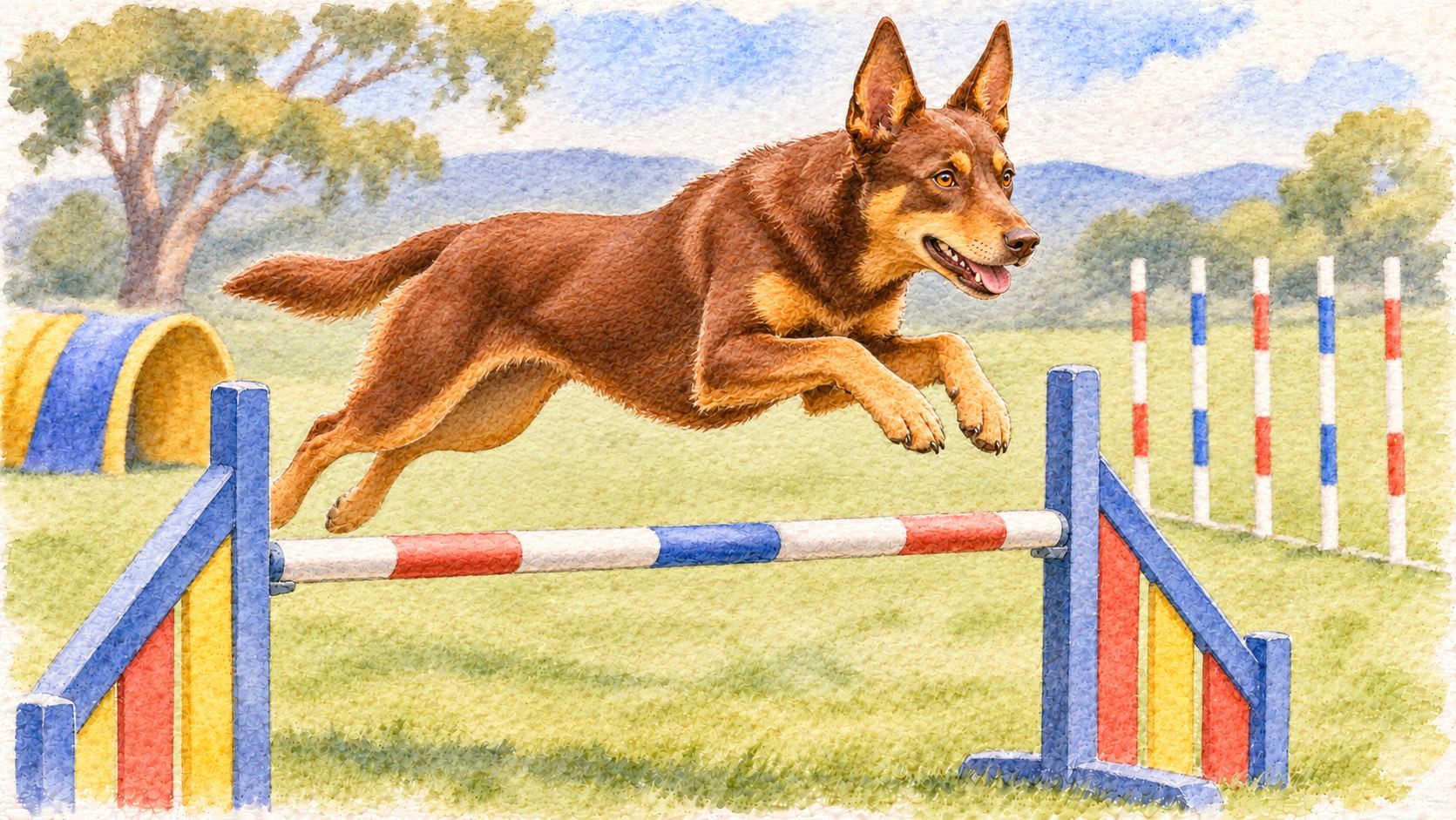
- Try dog sports. Kelpies excel at agility, herding trials, flyball, dock diving, obedience and nose work.
Kelpies also do well in demanding roles such as search and rescue, detection work and assistance work, thanks to their focus and drive.
Australian Kelpie Exercise Needs
The Kelpie needs a lot of daily exercise, both physical and mental. A short walk around the block will not be enough. Plan for long runs, hikes, swimming, games of fetch or herding activities, plus training sessions and puzzle toys to work its brain.
A large, securely fenced yard in a rural or suburban area is ideal. The breed generally does not do well in small apartments, where its energy has nowhere to go. Kelpies cope fairly well with heat when given shade and water, and their double coat offers some protection from cold, but they should not be left outside all day or in extreme weather.
This breed is best for owners who can truly devote time each day to exercise and enrichment. If you love hiking, running or outdoor adventures, a Kelpie may be the perfect partner.
Australian Kelpie Grooming
Australian Kelpie grooming is refreshingly simple. The short, sleek double coat needs only basic care, and these dogs are naturally clean, so baths are needed only occasionally.
Do Australian Kelpies Shed?
Yes, Australian Kelpies shed. Expect a moderate amount of loose hair year-round, with heavier shedding during seasonal coat changes, usually in spring and fall.
Grooming Routine
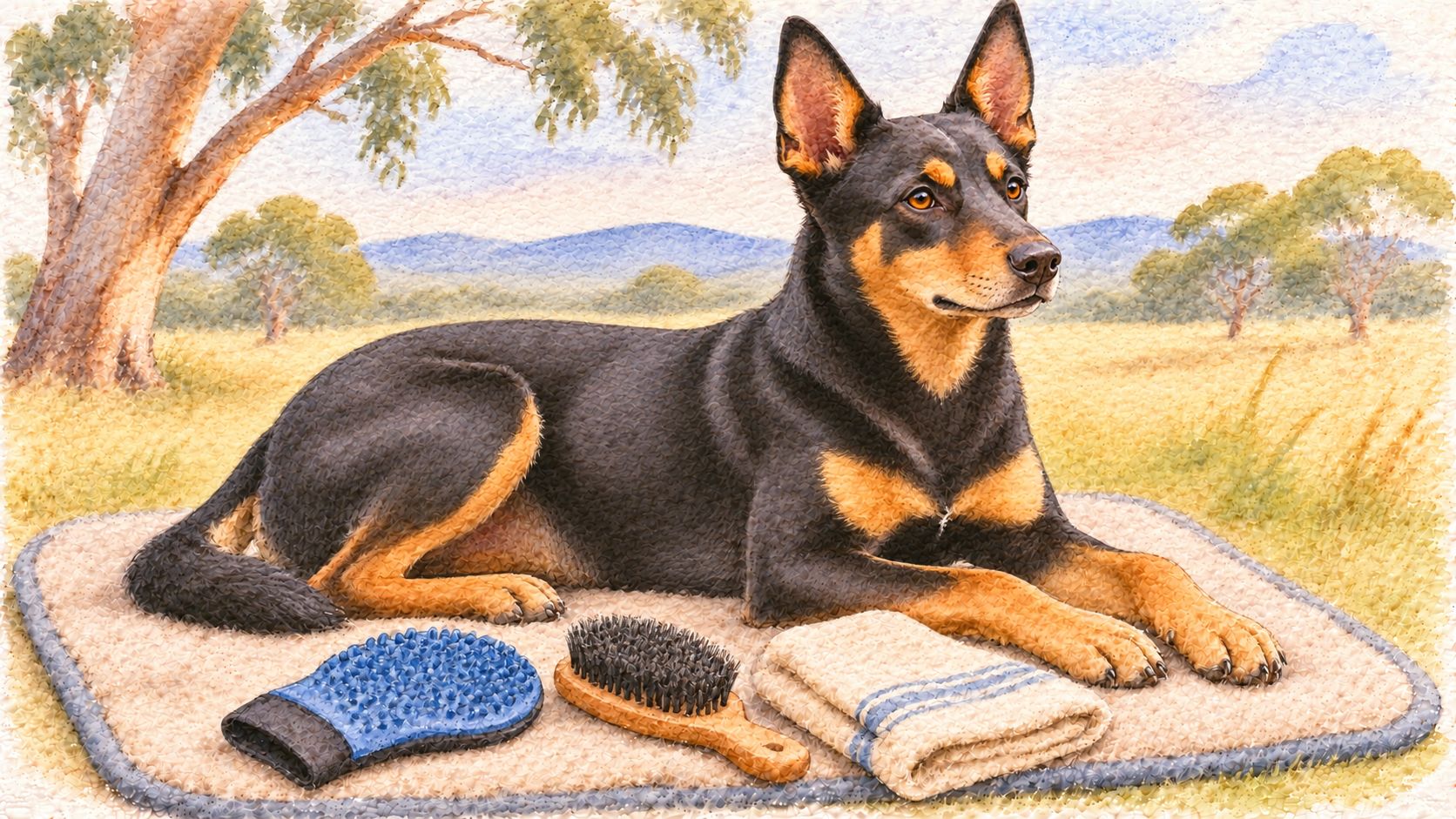
- Brushing: Brush once a week to remove loose hair and spread natural skin oils. Increase brushing during shedding seasons.
- Bathing: Bathe only when your dog is truly dirty, since the coat tends to stay fairly clean on its own.
- Nails: Trim nails regularly, even though active dogs may wear them down outdoors.
- Teeth: Keep up a regular dental routine to help prevent tartar and gum problems.
- Ears and paws: Check ears and paws often for dirt, burrs, cuts or scrapes, especially after outdoor adventures.
Australian Kelpie Health and Lifespan
The Kelpie is generally a hardy, healthy breed. The typical Australian Kelpie lifespan is about 10 to 13 years, and many stay active well into their senior years. Responsible breeders screen their dogs for conditions that can affect the breed, which may include:
- Hip dysplasia: An abnormal formation of the hip joint that can lead to arthritis.
- Luxating patella: A condition in which the kneecap slips out of place.
- Progressive retinal atrophy (PRA): An inherited eye disease that affects vision over time.
- Cerebellar abiotrophy: A rare inherited neurological condition reported in the breed.
As Kelpies age, keep an eye out for signs of stiffness or reduced mobility. Keeping your dog at a healthy weight helps protect its joints. Always work with your veterinarian on regular checkups, vaccinations, parasite prevention and dental care.
Feeding and Nutrition
An active Kelpie burns a lot of energy, so it benefits from a high-quality dog food that suits its activity level. Hard-working or very sporty dogs often do well on a protein-rich performance formula, while less active companions can eat a standard adult food.
Puppies should eat a food made for puppies to support healthy growth. Feed meals on a regular schedule rather than leaving food out all day. Portion sizes depend on age, weight and activity, so follow the food label and ask your veterinarian for guidance. Use low-calorie treats for training, and talk to your vet before adding any supplements.
History of the Australian Kelpie
The story of the Kelpie begins in the 1800s, when Australia's sheep industry was booming. Farmers needed dogs that could manage enormous flocks over huge distances in harsh, hot conditions. Working collies imported from Scotland were a good start, but breeders selected for extra stamina, toughness and independence.
The breed takes its name from a black-and-tan female called Kelpie, bred in the 1870s and owned by a stockman named Jack Gleeson. Her name came from the "kelpie," a shape-shifting water spirit from Scottish folklore. Kelpie's offspring became famous for their herding skill, and soon the name stuck to the whole breed.
The town of Casterton in Victoria is often called the birthplace of the Kelpie. It honors the breed with a statue and an annual Kelpie festival. Over the years, old rumors claimed Kelpies had dingo or fox blood, but the breed's roots trace back to collie-type herding dogs.
Kelpies have also found fame on screen and in the record books. The 2011 Australian film Red Dog starred a Kelpie named Koko. A Kelpie named Maggie was reported to be about 30 years old when she died in 2016, though her age could not be officially verified.
Australian Kelpie vs Border Collie
The Kelpie and the Border Collie are both brilliant, high-energy herding dogs with Scottish collie roots. The Border Collie is usually a bit more intense in its gaze and often has a longer coat, while the Kelpie typically has a short, low-maintenance coat and is famous for its heat tolerance and stamina in hot climates. Both need active, experienced owners who can give them plenty of work.
Is an Australian Kelpie Right for You?
An Australian Kelpie could be a wonderful match if you:
- Lead a very active, outdoor lifestyle
- Have a large, securely fenced yard
- Enjoy training and dog sports
- Want a smart, loyal and devoted companion
- Have experience with energetic or working breeds
- Live with adults or older children
A Kelpie may not be the best fit if you:
- Live in a small apartment with no outdoor space
- Work long hours and leave your dog alone for most of the day
- Prefer a relaxed, low-energy couch companion
- Have toddlers who may trigger the dog's herding instinct
Finding an Australian Kelpie Puppy
Look for a reputable breeder who health-tests their dogs, raises puppies with plenty of handling and socialization, and can tell you whether the litter comes from working or show lines. Ask to meet the parents if possible. Rescue groups and shelters are also worth checking, since adult Kelpies and Kelpie mixes sometimes need new homes.
Fun Facts About the Australian Kelpie
- The breed is named after a famous female dog called Kelpie from the 1870s.
- "Kelpie" is the name of a water spirit from Scottish folklore.
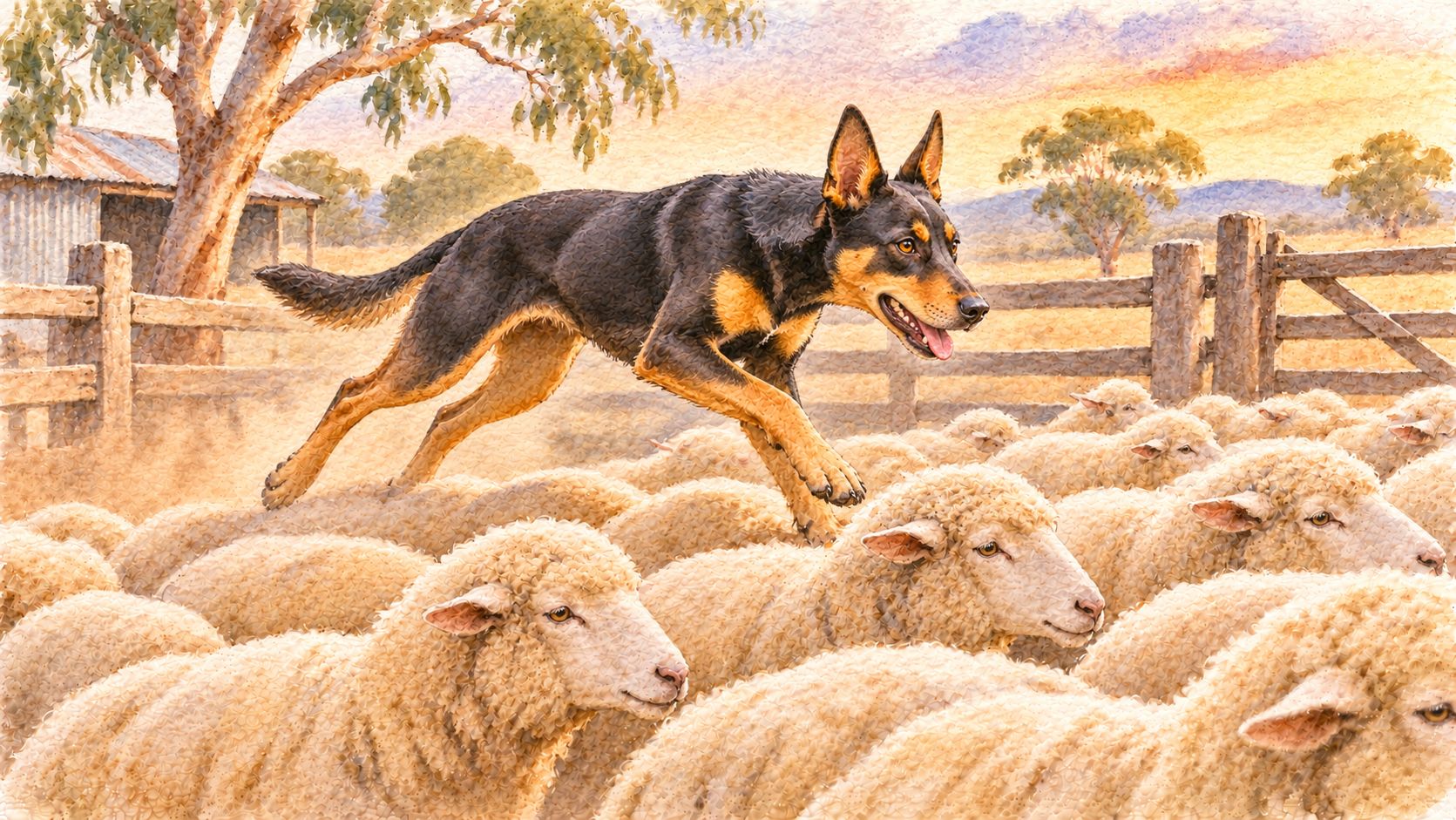
- Kelpies are known for "backing," running across the backs of tightly packed sheep to reach the other side of a pen.
- Casterton, Victoria, celebrates the breed with a statue and a yearly festival.
- A Kelpie named Koko played the title role in the movie Red Dog.
- Working Kelpies can cover many miles in a single day of herding.
Frequently Asked Questions
Is the Australian Kelpie recognized by the AKC?
The Australian Kelpie is part of the AKC Foundation Stock Service, a record-keeping program for breeds working toward full recognition. It is assigned to the Herding Group in that program.
How big do Australian Kelpies get?
Adult Kelpies usually stand about 17 to 20 inches tall at the shoulder and weigh around 35 to 50 pounds, making them a medium-sized breed.
Do Australian Kelpies shed a lot?
Kelpies shed a moderate amount, with heavier shedding during seasonal coat changes. Weekly brushing keeps loose hair under control.
Are Australian Kelpies good family dogs?
They can be loving family dogs for very active households, especially with older children. They need daily exercise and training, and some may try to herd young kids.
How long do Australian Kelpies live?
Most Kelpies live about 10 to 13 years with good care, a balanced diet, regular exercise and routine veterinary checkups.
Can an Australian Kelpie live in an apartment?
Apartment life is usually not a good fit. Kelpies need space to run and a lot of daily activity, so a home with a large fenced yard is much better.
Final Thoughts
The Australian Kelpie is a true working athlete with a big heart and a brilliant mind. Loyal, playful and tireless, it thrives with owners who love the outdoors and enjoy training. If you can offer daily exercise, a meaningful job and plenty of companionship, an Australian Kelpie will reward you with years of devotion and adventure.