With its striking facial mask, upright ears and bright, expressive eyes, the Alaskan Klee Kai looks like someone shrank a sled dog down to lap size. It is no surprise that many people call it a "mini husky." Yet this lively little spitz is a distinct breed of its own, created in Alaska in the 1970s to capture the beauty of a northern sled dog in a more manageable companion package. Its name comes from an Alaska Native word usually translated as "small dog."
Behind that wolfish look is a smart, affectionate and wonderfully chatty personality. The Alaskan Klee Kai is devoted to its family, curious about everything and full of energy. In this complete Alaskan Klee Kai dog breed guide, you will learn everything you need to know before bringing one home, including its size, temperament, training needs, exercise requirements, grooming routine, common health concerns, feeding tips and fascinating history.
Alaskan Klee Kai at a Glance
| Trait | Details |
|---|---|
| Breed group | Northern Breed (UKC); not yet fully recognized by the AKC |
| Height | Up to about 17.5 inches (44 cm), in three size varieties |
| Weight | 6 to 25 pounds (2.7 to 11.3 kg) |
| Life expectancy | 13 to 17 years |
| Coat | Medium-length double coat |
| Colors | Black and white, gray and white, red and white |
| Shedding | Year-round, with heavy seasonal sheds twice a year |
| Energy level | High |
| Temperament | Alert, affectionate, loyal, smart, vocal |
| Good for | Active adults, couples, families with older children |
| Origin | Alaska, United States (1970s) |
What Is an Alaskan Klee Kai?
The Alaskan Klee Kai is a small spitz-type breed developed in Alaska as a companion-sized version of the northern sled dogs that are famous across the state. It closely resembles the Alaskan Husky and the Siberian Husky, with the same masked face, erect triangular ears and plush tail that curls over the back. The big difference is size. While huskies are working dogs built to pull sleds over long distances, the Klee Kai tops out at around 25 pounds and was bred purely to be a family companion.
The breed is still relatively young and fairly rare, which adds to its appeal for people who want something a little different. Despite being a companion breed, it has kept plenty of northern-dog spirit. Klee Kai are energetic, quick-thinking and vocal, and they are adaptable enough that some have even worked as therapy and service dogs. Fans often describe them as having all the charm of a husky in a dog that fits comfortably on the sofa.
Alaskan Klee Kai Size and Appearance
One of the most interesting things about the Alaskan Klee Kai is that it comes in three size varieties. Breed clubs typically describe them as the toy, the miniature and the standard, separated by height at the shoulder. Toys are generally under about 13 inches tall, miniatures fall roughly between 13 and 15 inches, and standards stand up to about 17.5 inches. Weight follows height, and adults can range from around 6 pounds at the smallest end to about 25 pounds at the largest.
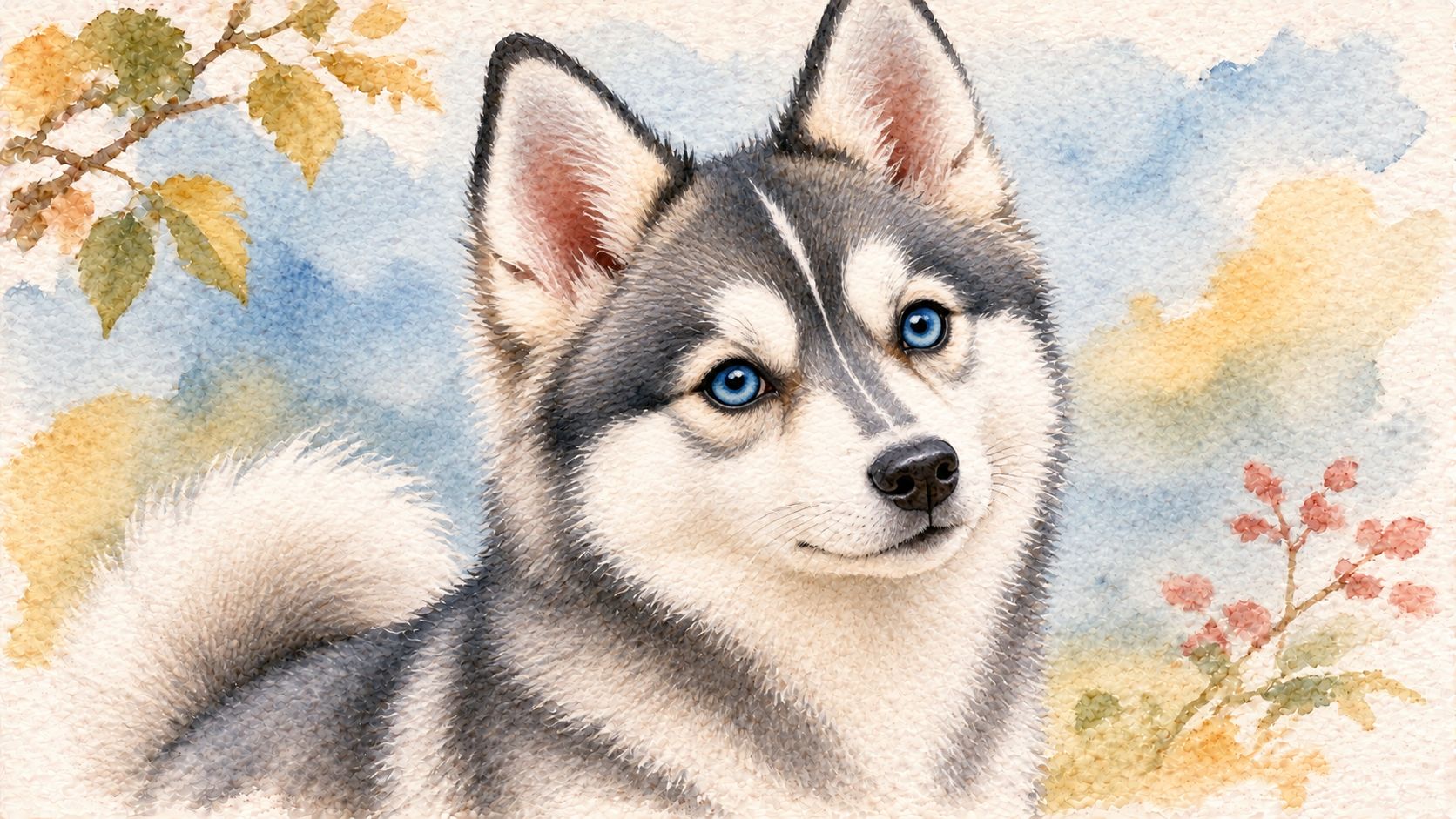
Whatever the size, the Klee Kai should look balanced, athletic and slightly longer than it is tall. The head is wedge-shaped with medium-size, almond-shaped eyes, and the ears stand fully upright. The face carries a distinctive mask, a contrasting pattern of light and dark fur that frames the eyes and muzzle and gives the breed its unmistakable husky expression. The well-furred tail curls up over the back, often in a graceful plume.
Coat and Colors
The Alaskan Klee Kai wears a medium-length double coat. The soft, dense undercoat provides insulation, while the straight outer coat should feel smooth rather than harsh. The fur around the neck and on the tail is especially full. Some dogs carry a slightly longer, plusher coat than others, but both looks share the same practical, weather-ready design.
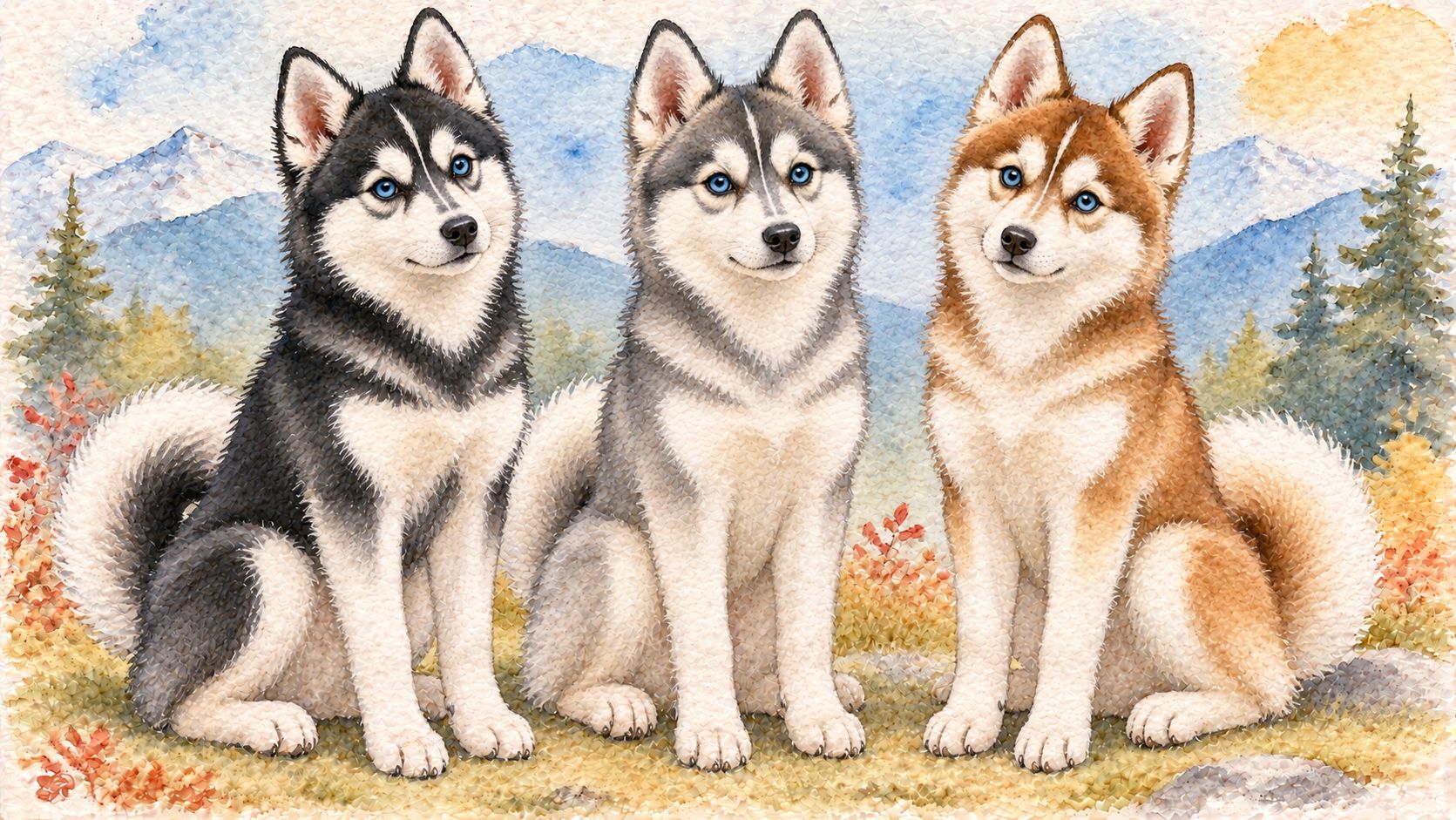
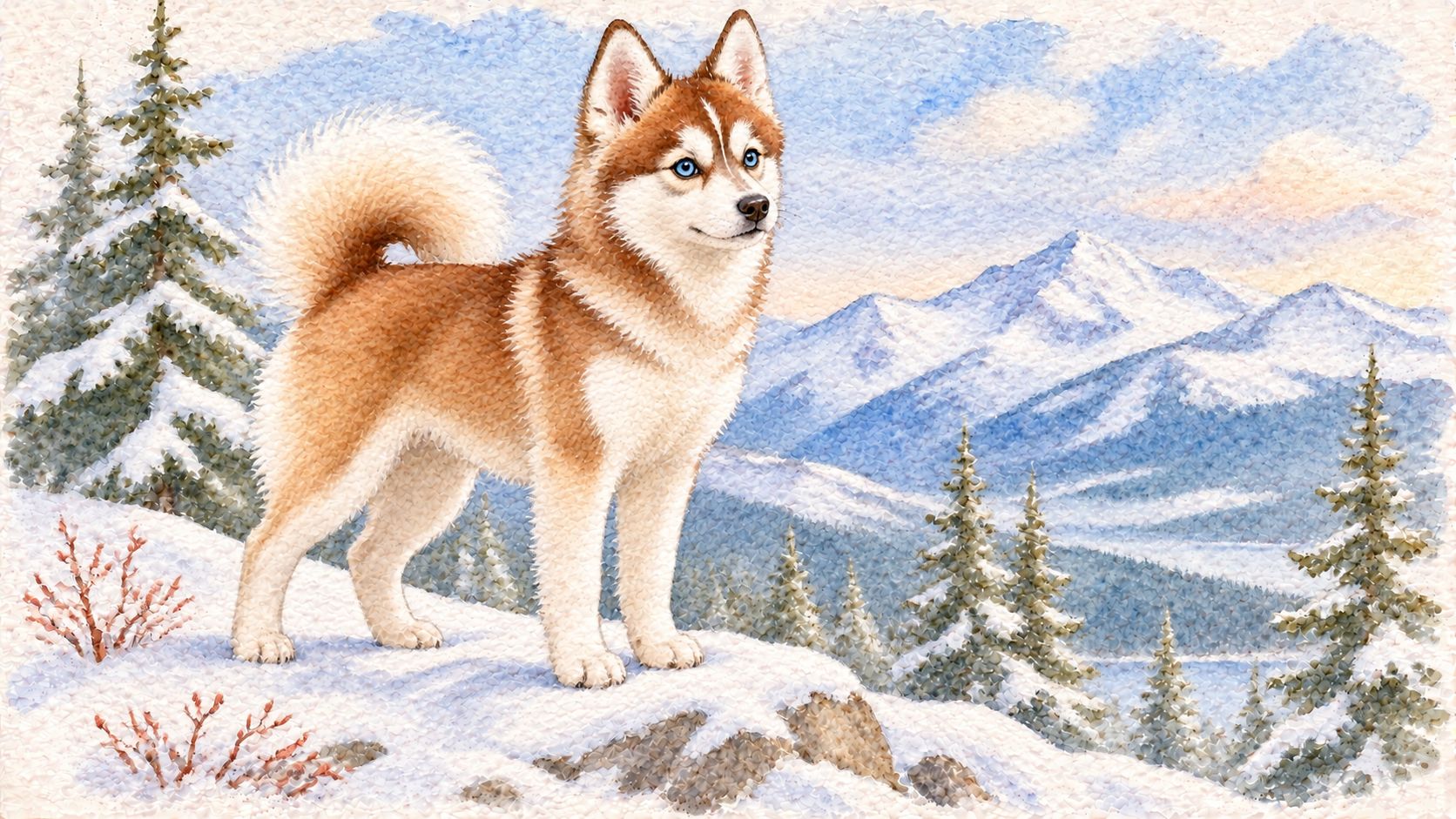
Accepted color combinations are black and white, gray and white, and red and white. Eye-rim color tends to follow coat color: black and gray dogs have black-rimmed eyes, while red dogs have brown or liver-colored rims. Like their husky cousins, Klee Kai can have brown or blue eyes, and some even have one of each.
Alaskan Klee Kai Temperament and Personality
The Alaskan Klee Kai packs a lot of personality into a small frame. Owners commonly describe the breed as:
- Alert: Klee Kai notice everything happening around them and make keen little watchdogs that will let you know when something seems unusual.
- Affectionate and loyal: They form deep bonds with their families and love to be included in everyday activities.
- Smart and quick to learn: This is an intelligent breed that genuinely enjoys training sessions and problem solving.
- Energetic: Klee Kai have plenty of stamina and are happiest when they have a job to do or an adventure to go on.
- Chatty: Rather than barking constantly, many Klee Kai "talk" with howls, chirps, whines and yodel-like sounds that can be both charming and loud.
- Reserved with strangers: They tend to be cautious around new people at first and may take some time to warm up.
Because they bond so closely with their people, Klee Kai can be clingy and may struggle when left alone for long periods. Separation anxiety can develop without the right preparation. Gradually teaching your dog that time alone is safe and normal, along with plenty of exercise and enrichment, can make a big difference.
Is the Alaskan Klee Kai Good With Kids and Other Pets?
The Alaskan Klee Kai thrives in a family setting and is often a great match for active households with older children who understand how to treat a dog respectfully. Because the breed can be wary of unfamiliar people and does not always enjoy rough handling, homes with very young children may need extra supervision and patience.
With other dogs, Klee Kai can get along well, particularly if they are raised together and properly socialized. However, the breed has a strong prey drive inherited from its northern ancestors. Klee Kai are likely to chase small animals such as squirrels, rabbits and cats, and they may not be a safe match for homes with pet rodents or birds.
Early and ongoing socialization is essential for this breed. Introducing your Klee Kai puppy to many different people, animals, sounds and places will help it grow into a confident, well-adjusted adult instead of a nervous or overly suspicious one.
Training an Alaskan Klee Kai
Klee Kai are bright and eager to engage, which makes them very trainable when you use the right approach. They respond best to positive reinforcement such as praise, play and small treats. Harsh methods tend to backfire with this sensitive breed and can damage the trust you are building. Keep sessions fun, varied and fairly short so your dog stays interested.
Here are some training tips for Alaskan Klee Kai owners:
- Start socialization early. Begin introducing your puppy to new experiences as soon as it comes home, and keep going throughout its life.
- Make recall a priority. With a strong prey drive and a talent for escaping, a reliable "come" cue is one of the most valuable things you can teach.
- Teach a "quiet" or "settle" cue. Klee Kai love to vocalize. Rewarding calm, quiet behavior helps keep the noise manageable for you and your neighbors.
- Practice alone time. Build up short periods of independence gradually to help prevent separation anxiety.
- Keep their brain busy. Trick training, scent games and dog sports such as agility and obedience are excellent outlets for this clever breed.
Exercise Needs
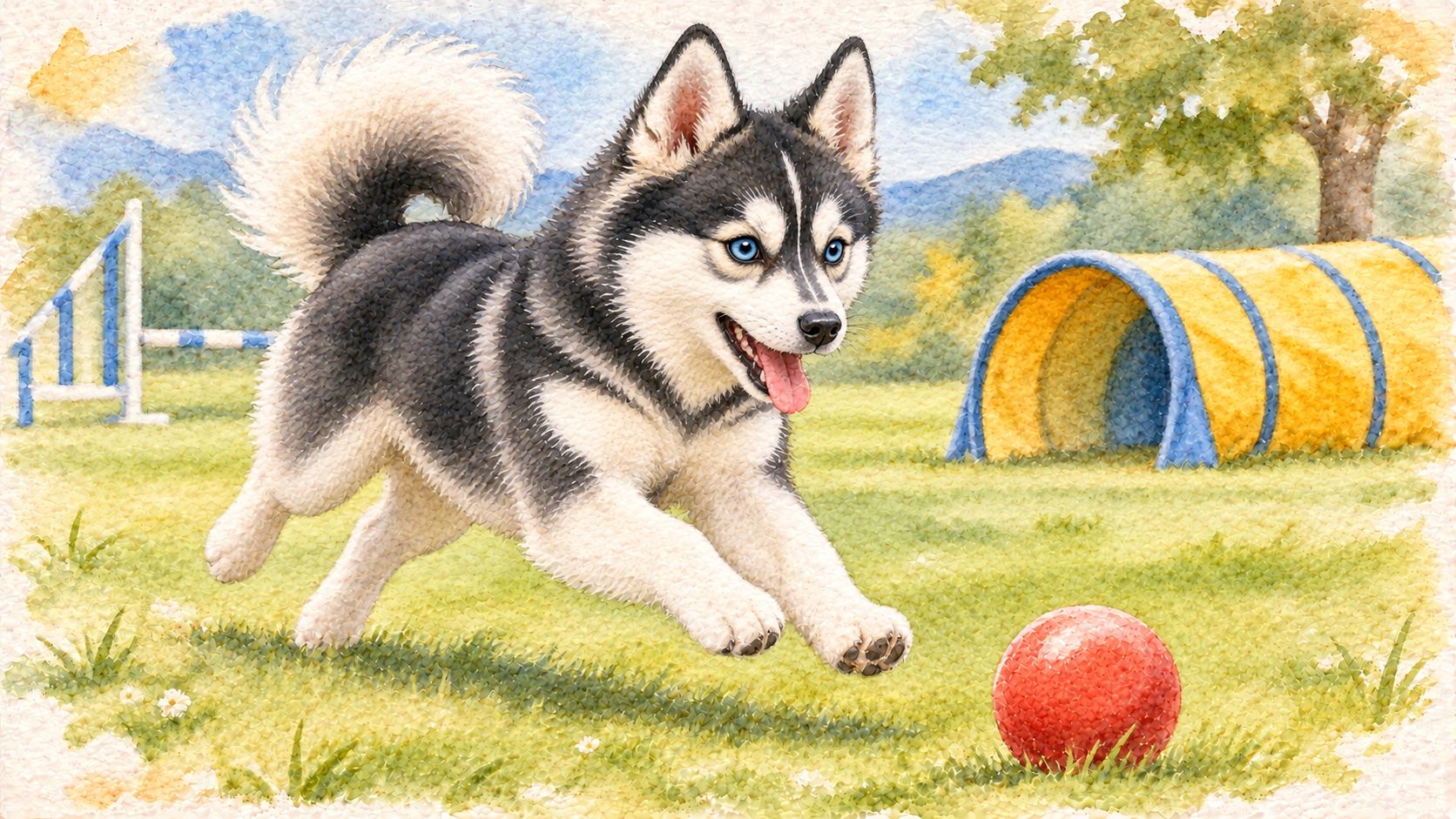
The Alaskan Klee Kai has a high energy level and needs plenty of daily exercise and mental stimulation. A quick walk around the block will not be enough for most dogs of this breed. Plan on daily walks plus active play, and mix in more vigorous outings such as hiking, running or swimming when you can. Training games, puzzle toys and scent work are great ways to tire out the mind as well as the body.
A securely fenced yard is ideal for a Klee Kai. These dogs are agile, curious and quick to bolt after small animals, and many are skilled escape artists that can dig under or climb over weak spots in a fence. When you are away from home, keep your dog on a leash unless you are in a secure, enclosed area.
The breed can adapt to a range of living situations as long as its exercise needs are met, but suburban or rural homes with fenced yards tend to suit it best. Apartment living with close neighbors can be challenging because of the Klee Kai's vocal nature. The thick coat also makes the breed better suited to cooler climates. In hot weather, exercise during the cooler parts of the day and provide plenty of shade and fresh water, since these dogs can overheat.
Grooming an Alaskan Klee Kai
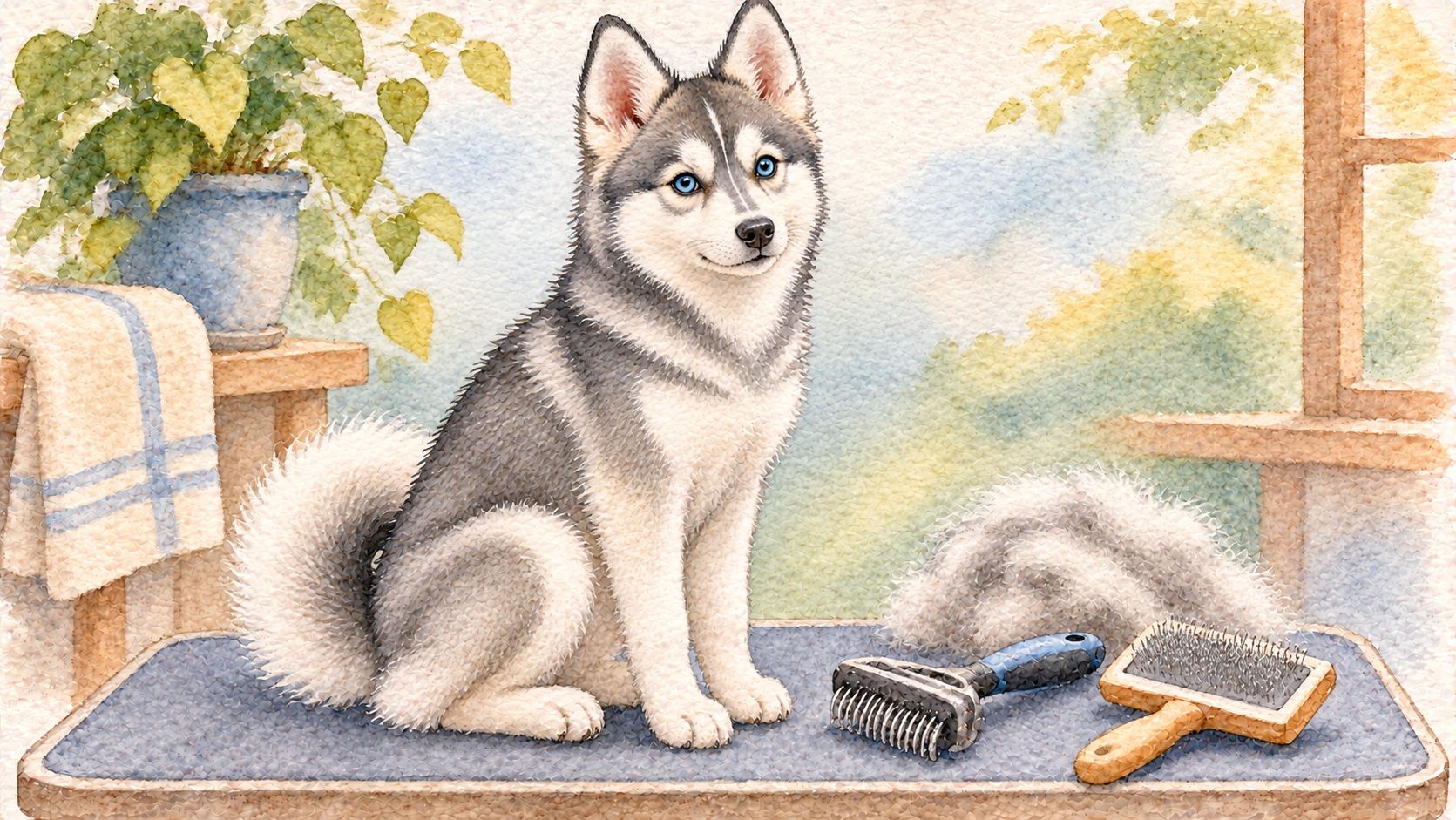
The good news is that the Alaskan Klee Kai is a naturally clean dog that often grooms itself much like a cat and tends to have little doggy odor. The not-so-good news is that its double coat sheds. Expect light shedding year-round and two heavy shedding periods each year, often called "blowing coat," when the undercoat comes out in large tufts. During these seasons, you may find fur just about everywhere.
Grooming Routine
- Brushing: Brush the coat several times a week, and daily during heavy shedding seasons. An undercoat rake and a slicker brush work well for removing loose fur.
- Bathing: Bathe only as needed or every few weeks, since frequent baths are rarely necessary for this tidy breed.
- No shaving: The double coat helps regulate temperature, so it should be brushed out rather than shaved.
- Nails: Trim nails regularly to prevent splitting and cracking.
- Teeth: Brush your dog's teeth regularly and offer suitable dental chews to help reduce tartar.
- Ears and paws: Check ears and paw pads often for dirt, injuries or signs of irritation, and follow an ear-cleaning routine your veterinarian recommends.
Alaskan Klee Kai Health and Lifespan
The Alaskan Klee Kai is generally a healthy breed with an impressive life expectancy of about 13 to 17 years. Like all breeds, however, it can be prone to certain conditions. Responsible breeders screen their dogs for concerns that may include:
- Luxating patella: A condition in which the kneecap slips out of place, often seen in smaller breeds.
- Juvenile cataracts: Clouding of the eye lens that can appear in younger dogs.
- Thyroid problems: Some dogs may develop thyroid conditions that affect metabolism and coat health.
- Anal gland issues: Like many small breeds, Klee Kai can be prone to anal gland problems. Scooting, licking the rear or a strong odor are signs to mention to your vet.
Regular veterinary visits are an important part of keeping your Klee Kai healthy. Always work with your veterinarian to set up a routine of checkups, vaccinations, parasite prevention and dental care that suits your individual dog.
Feeding and Nutrition
Because adult Alaskan Klee Kai can weigh anywhere from about 6 to 25 pounds, the right amount of food varies widely from dog to dog. Choose a high-quality, size-appropriate dog food with good-quality protein and moderate fat, and use the feeding guide on the package as a starting point. Your veterinarian can help you fine-tune portions based on your dog's age, size and activity level.
Puppies should eat a food designed for growth and development, and older dogs may benefit from a senior formula when your veterinarian suggests it. Feeding on a regular schedule helps keep energy levels steady throughout the day. Treats are wonderful for training, but choose low-calorie options and keep them to no more than about 10 percent of your dog's daily calories. If you are curious about supplements for coat, joint or digestive support, talk with your veterinarian first.
History of the Alaskan Klee Kai
The Alaskan Klee Kai is a modern breed with a well-documented beginning. In the 1970s, a woman named Linda Spurlin in Alaska became fascinated by a small husky-type dog and set out to develop a companion-sized northern breed. She began with Alaskan Huskies and, according to most breed histories, later introduced Siberian Husky along with smaller breeds such as the Schipperke and the American Eskimo Dog to reduce size while keeping the classic sled-dog look.
For many years, the breeding program remained private. The dogs were made available to the wider public in the late 1980s, and interest grew steadily among people who loved huskies but wanted a smaller, more portable companion. The breed was originally known simply as the "Klee Kai," and the word "Alaskan" was added in the mid-1990s.
The United Kennel Club recognized the Alaskan Klee Kai in 1997, placing it in its Northern Breed Group. The breed is not yet fully recognized by the American Kennel Club, though it has been recorded in the AKC's Foundation Stock Service, an early step for breeds working toward recognition. Even today, the Alaskan Klee Kai remains fairly rare, and dedicated breeders continue to focus on health, temperament and the breed's signature husky appearance.
Is an Alaskan Klee Kai Right for You?
An Alaskan Klee Kai could be a wonderful match if you:
- Love the look of a husky but want a smaller dog
- Lead an active lifestyle and enjoy walks, hikes and outdoor play
- Have a securely fenced yard
- Can spend plenty of time with your dog and include it in family life
- Enjoy training and keeping a clever dog mentally busy
- Live in a cooler climate or can manage hot weather carefully
An Alaskan Klee Kai may not be the best fit if you:
- Want a quiet dog or live with close neighbors who are sensitive to noise
- Are away from home for long hours most days
- Keep small pets such as rabbits, hamsters or birds
- Prefer a breed that sheds very little
- Want a dog that is instantly friendly with every stranger
Finding an Alaskan Klee Kai Puppy
Because the Alaskan Klee Kai is a rare breed, you may need to join a waiting list to get a puppy from a reputable breeder. Look for breeders who health-test their dogs, raise puppies in a home environment, focus on early socialization and are happy to answer your questions. Breed clubs can point you toward responsible breeders, and rescue groups occasionally have adult Klee Kai looking for new homes.
Fun Facts About the Alaskan Klee Kai
- The name "Klee Kai" is usually translated as "small dog."
- The breed comes in three sizes: toy, miniature and standard.
- Alaskan Klee Kai are famous for "talking" with howls, chirps and yodels instead of simple barks.
- Some Klee Kai have one blue eye and one brown eye, just like many huskies.
- The breed was developed in Alaska in the 1970s, making it one of the newer dog breeds.
- Despite its husky looks, the Klee Kai was bred as a companion, not a sled dog.
Frequently Asked Questions
Is an Alaskan Klee Kai a miniature husky?
Not exactly. The Alaskan Klee Kai looks like a small husky and has husky ancestry, but it is a separate breed with its own standard, history and personality. The term "mini husky" is a popular nickname rather than an official name.
How big do Alaskan Klee Kai get?
Adults come in three size varieties and can stand up to about 17.5 inches tall. Weight usually ranges from around 6 to 25 pounds, depending on the dog's size variety.
Do Alaskan Klee Kai shed a lot?
Yes. Their double coat sheds lightly year-round and heavily about twice a year. Brushing several times a week, and daily during shedding seasons, helps keep fur under control.
Are Alaskan Klee Kai good family dogs?
They can be loving, loyal family dogs, especially for active households with older children. They bond closely with their families but may be reserved with strangers, so early socialization is important.
How long do Alaskan Klee Kai live?
The typical Alaskan Klee Kai lifespan is about 13 to 17 years with good care, a balanced diet and regular veterinary checkups.
Do Alaskan Klee Kai bark a lot?
Klee Kai are very vocal, though they often howl, chirp and "talk" rather than bark. Teaching a "quiet" cue and providing plenty of exercise can help keep the noise at a comfortable level.
Final Thoughts
The Alaskan Klee Kai offers the striking beauty of a northern sled dog in a size that fits more easily into everyday life. This smart, loyal and talkative breed brings endless energy, plenty of personality and a strong devotion to its people. If you can provide daily exercise, patient training, a secure yard and lots of companionship, an Alaskan Klee Kai may become the most delightful little adventure partner you have ever had.