
The Boerboel is a powerful, confident mastiff-type dog from South Africa, known for its calm nature and deep devotion to its family. Its name comes from Afrikaans and is usually translated as "farm dog" or "farmer's dog," which tells you exactly where this breed earned its reputation. For centuries, it guarded remote homesteads, kept watch over livestock and stood between its people and danger.
Today, this impressive dog is still a natural guardian, but it is also a loyal and affectionate companion at home. In this complete Boerboel dog breed guide, you will learn about its size, temperament, training needs, exercise, grooming, health, diet and history, so you can decide whether this big, steady dog is the right match for you.
Boerboel at a Glance
| Trait | Details |
|---|---|
| Breed group | Working (AKC) |
| Height | 22 to 27 inches (56 to 69 cm) |
| Weight | About 110 to 200 pounds (50 to 91 kg) |
| Life expectancy | About 9 to 11 years |
| Coat | Short, smooth, dense and shiny |
| Colors | Brown, red, fawn, cream, brindle, piebald; often with a black mask |
| Shedding | Moderate |
| Energy level | Moderate |
| Temperament | Calm, confident, intelligent, protective, loyal |
| Good for | Experienced owners, homes with space and a secure yard |
| Origin | South Africa (1600s) |
What Is a Boerboel?
This large working breed developed on the farms of South Africa, starting in the 17th century. Settlers needed a dog that was brave enough to protect their families and livestock, yet steady enough to live closely with people. Over generations, that need shaped a dog that is both a fearless guardian and a gentle housemate.
The breed is sometimes called the South African Mastiff, and it belongs to the American Kennel Club's Working Group. The AKC fully recognized the breed in 2015, so it is still a fairly new face in American show rings. Fans love it for its balance of strength, intelligence and quiet confidence.
Boerboel Size and Appearance
How Big Do Boerboels Get?
These are big, heavy dogs. Males usually stand 24 to 27 inches (61 to 69 cm) tall at the shoulder, while females typically measure 22 to 25 inches (56 to 64 cm). Adult weight often falls somewhere between 110 and 200 pounds (50 to 91 kg), depending on sex, build and bloodline.
Despite that bulk, a well-bred dog should look athletic rather than sluggish. The body is strong, muscular and slightly longer than it is tall. The chest is broad and deep, and the legs are thick and powerful.
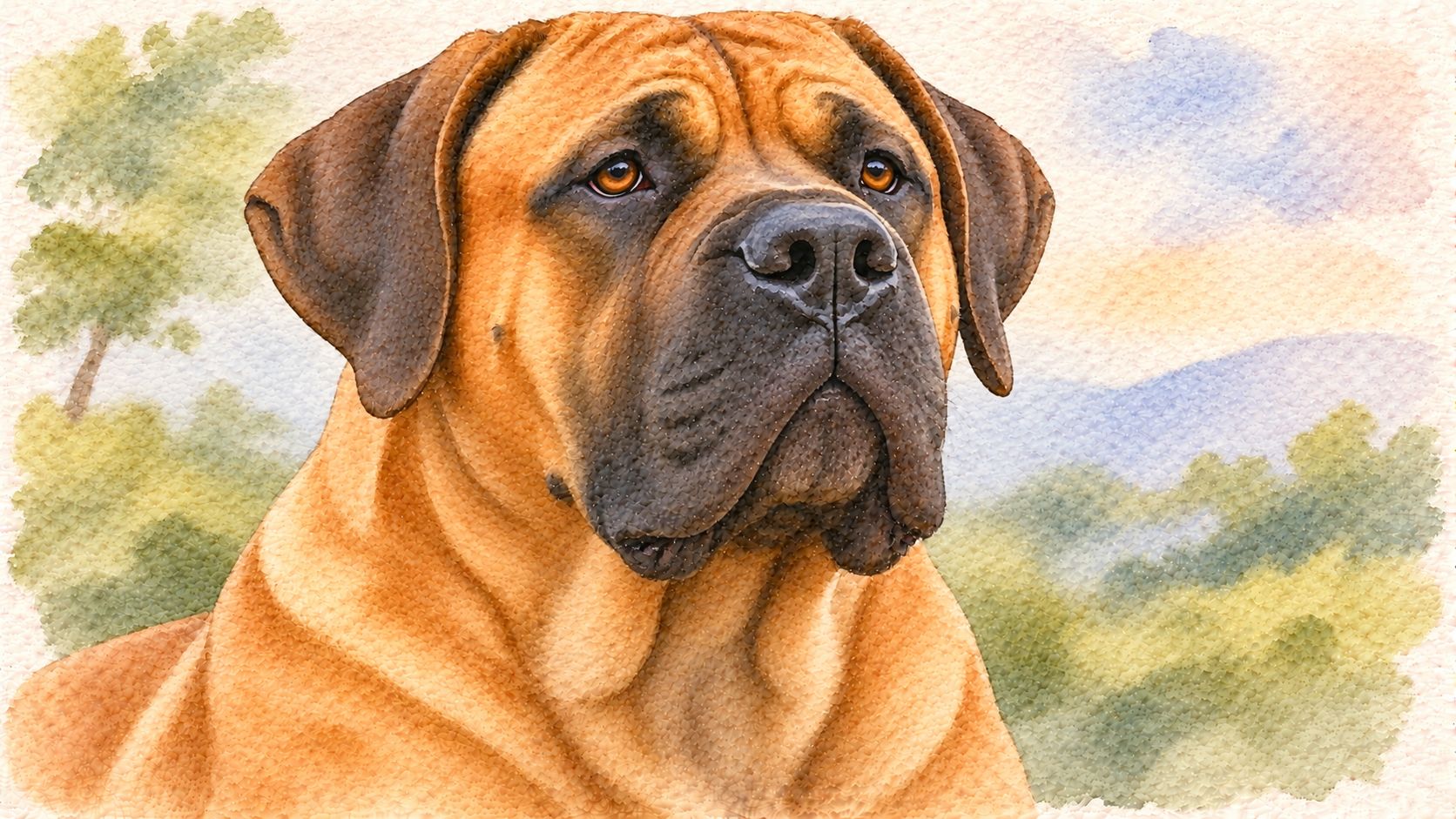
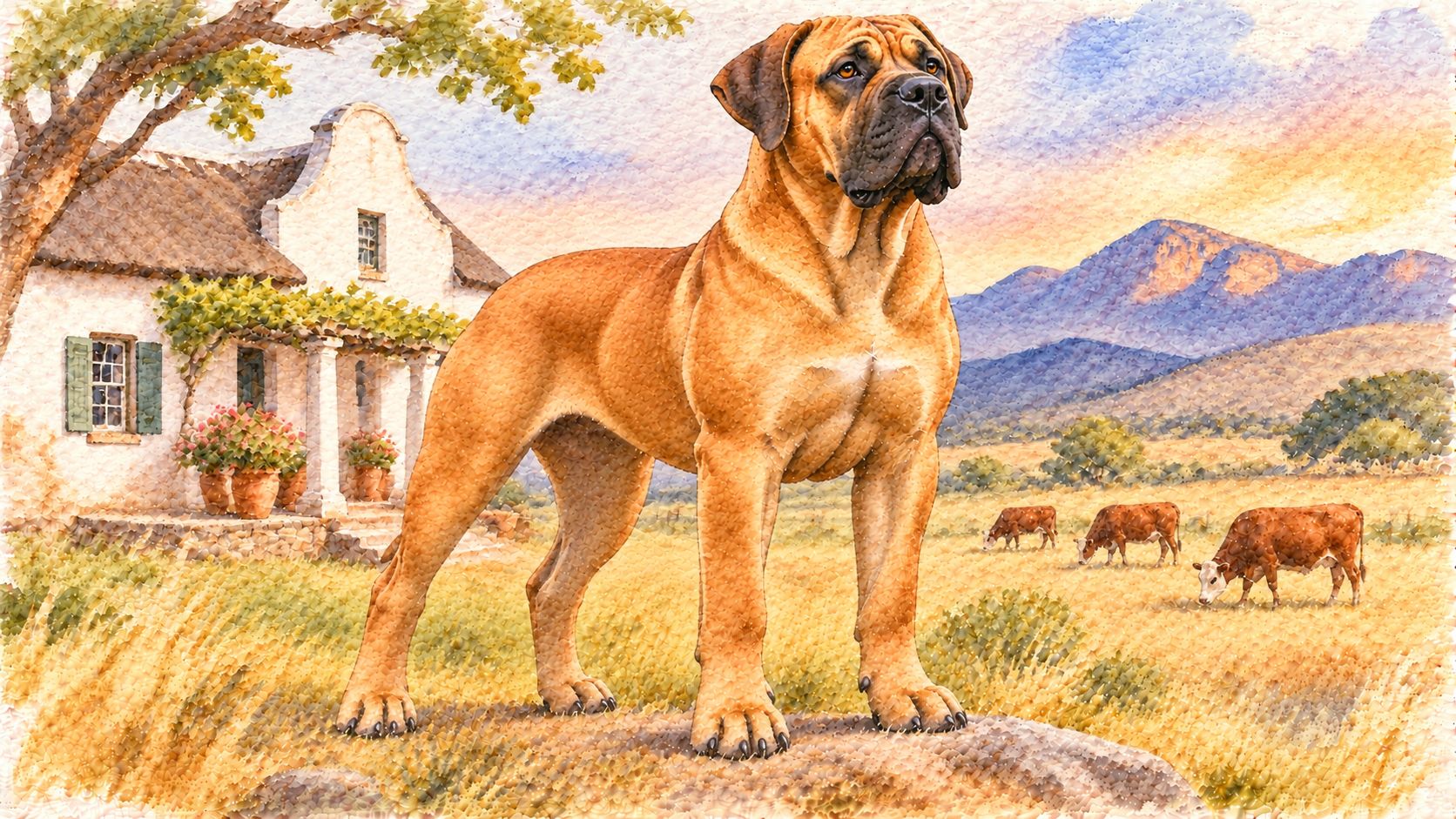
The head is the breed's signature feature. It is large and blocky, with a broad skull, a short muzzle, a strong jaw and medium-sized ears that hang close to the head. The expression is alert and intelligent, yet calm and kind with family.
Coat and Colors
The breed wears a short, smooth, dense coat with a natural shine. It lies flat against the body and shows off the dog's muscular outline. This simple, practical coat helped the breed handle the warm South African climate.
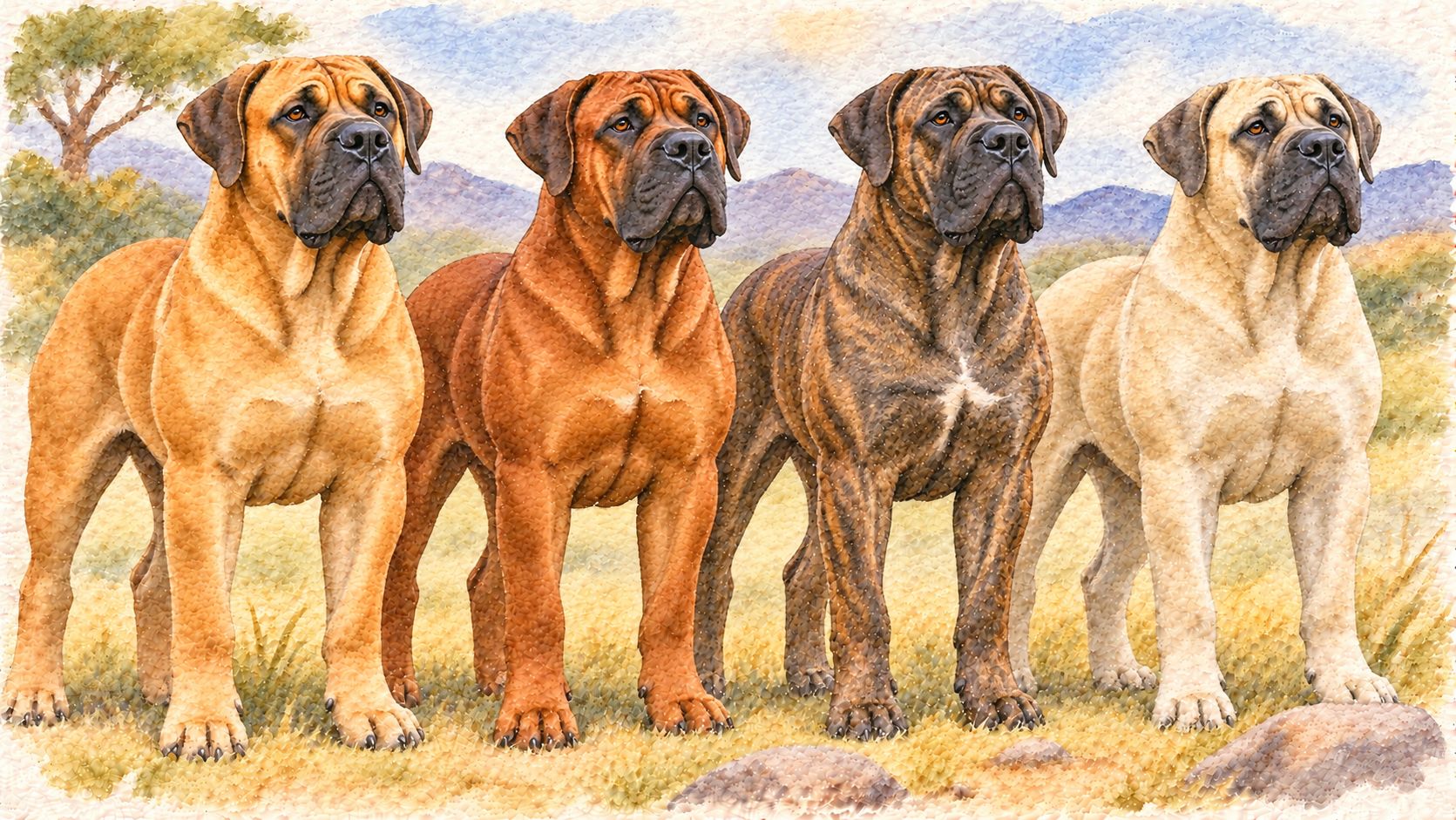
Common colors include shades of brown, red, fawn and cream, as well as brindle. Piebald (patched) dogs and dogs with white markings also appear. Many dogs have a dark black mask on the muzzle, which adds to their striking look.
Boerboel Temperament and Personality
The Boerboel temperament is a mix of gentle loyalty and serious watchfulness. This breed is known for being:
- Calm: At home, a mature adult is usually relaxed and quiet, happy to lie near its family.
- Confident: These dogs carry themselves with self-assurance and are rarely nervous or flighty.
- Protective: Guarding is deeply rooted in the breed, and it will naturally watch over its home and people.
- Intelligent: They learn quickly and often think things through before acting.
- Loyal and eager to please: They form strong bonds and genuinely want to work with the people they trust.
Because of its strong guarding instincts and dominant streak, this breed is best suited to confident, experienced owners. It tends to be reserved with strangers. Proper socialization teaches it to tell the difference between a normal visitor and a real threat.
Are Boerboels Good Family Dogs?
Yes, Boerboels can be excellent family dogs when they are well trained and socialized. They are typically patient and affectionate with the children in their own household and take their role as protector seriously.
Their size is the main thing to keep in mind. A playful adult can easily knock over a toddler by accident, so supervision is always important. Teach children to respect the dog's space and never leave young kids alone with any large dog.
Are Boerboels Good With Other Pets?
Boerboels can get along well with other pets, especially when they are raised with them from puppyhood. Introductions to new animals should be slow and supervised. Some may not enjoy the company of unfamiliar dogs of the same sex, so careful management helps keep the peace.
Training a Boerboel
These dogs are smart and willing, but they are also strong-minded. Training needs to be structured, consistent and firm, delivered with patience and plenty of positive reinforcement. Harsh methods tend to backfire with this sensitive, proud breed.
Here are some training tips for new owners:
- Start on day one. Begin socialization and basic manners as soon as your Boerboel puppy comes home.
- Socialize widely. Introduce your puppy to many people, places, sounds and friendly dogs during its first months.
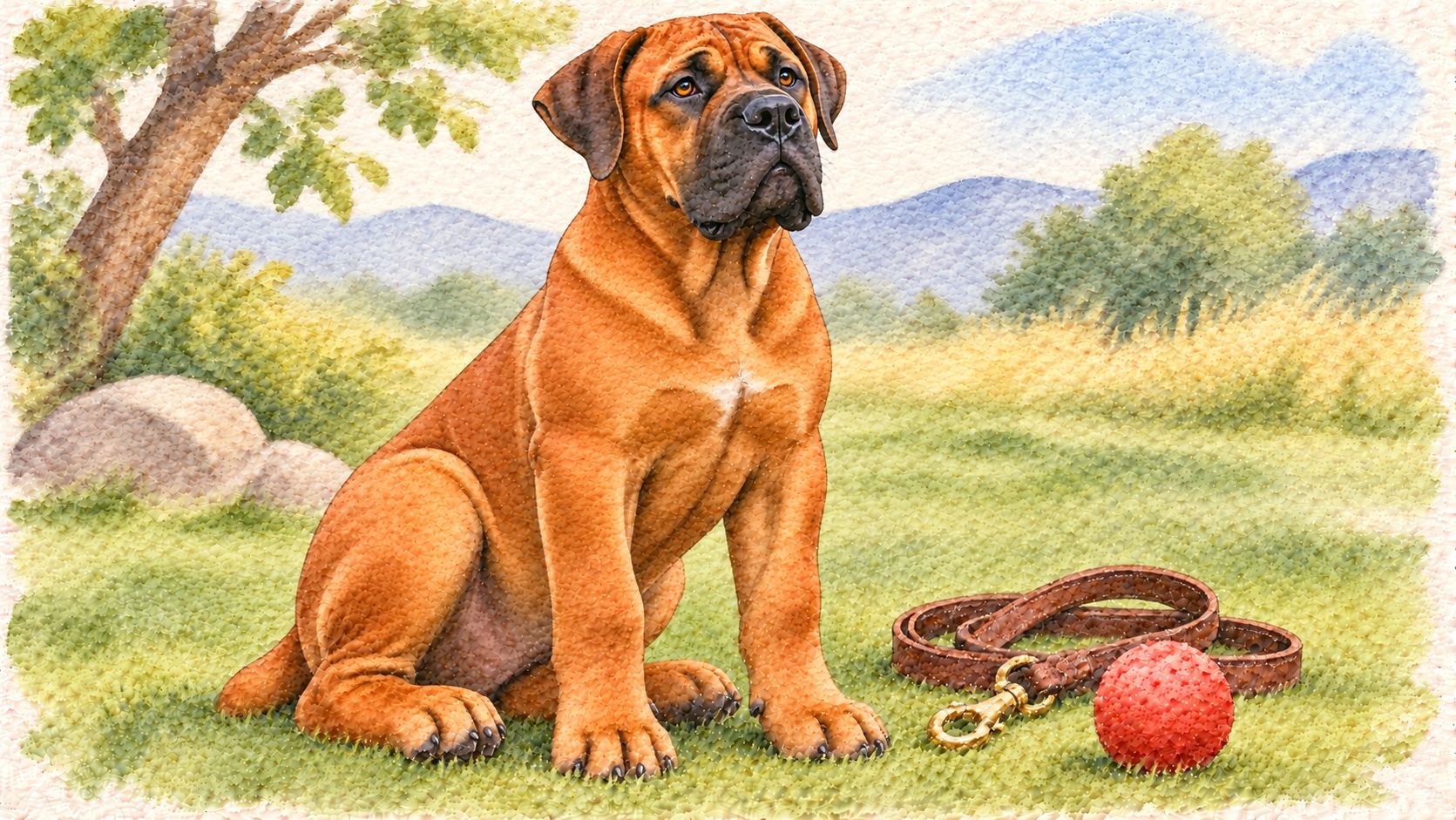
- Teach leash manners early. A 150-pound dog that pulls is hard to handle, so loose-leash walking is essential.
- Be a calm leader. Clear rules and routines help this dominant breed feel secure and respect your guidance.
- Try a class. Puppy kindergarten and obedience classes give structure and expert support.
- Give it a job. Many enjoy obedience, rally, agility, weight pull, stock work and even therapy work.
Exercise Needs
This breed has a moderate energy level. It does not need hours of intense running, but it does need daily activity to stay fit and content. One or two good walks each day, along with some play and training time, usually suits an adult dog well.
A home with a large, securely fenced yard is ideal. These dogs are not usually a good fit for small apartments because of their size and their need to patrol and stretch out. Mental work matters too, so add puzzle toys, scent games and short training sessions to the routine.
Puppies need special care with exercise. Their bones and joints are still developing, so avoid forced running, repeated jumping and long hikes until your veterinarian says your dog is mature enough.
Boerboel Grooming
Do Boerboels Shed?
Yes, Boerboels shed a moderate amount year-round. Their short coat does not mat, but you will still find loose hairs around the house, especially during seasonal changes.
The good news is that Boerboel grooming is simple. Minimal effort keeps that smooth coat looking healthy and glossy.
Grooming Routine
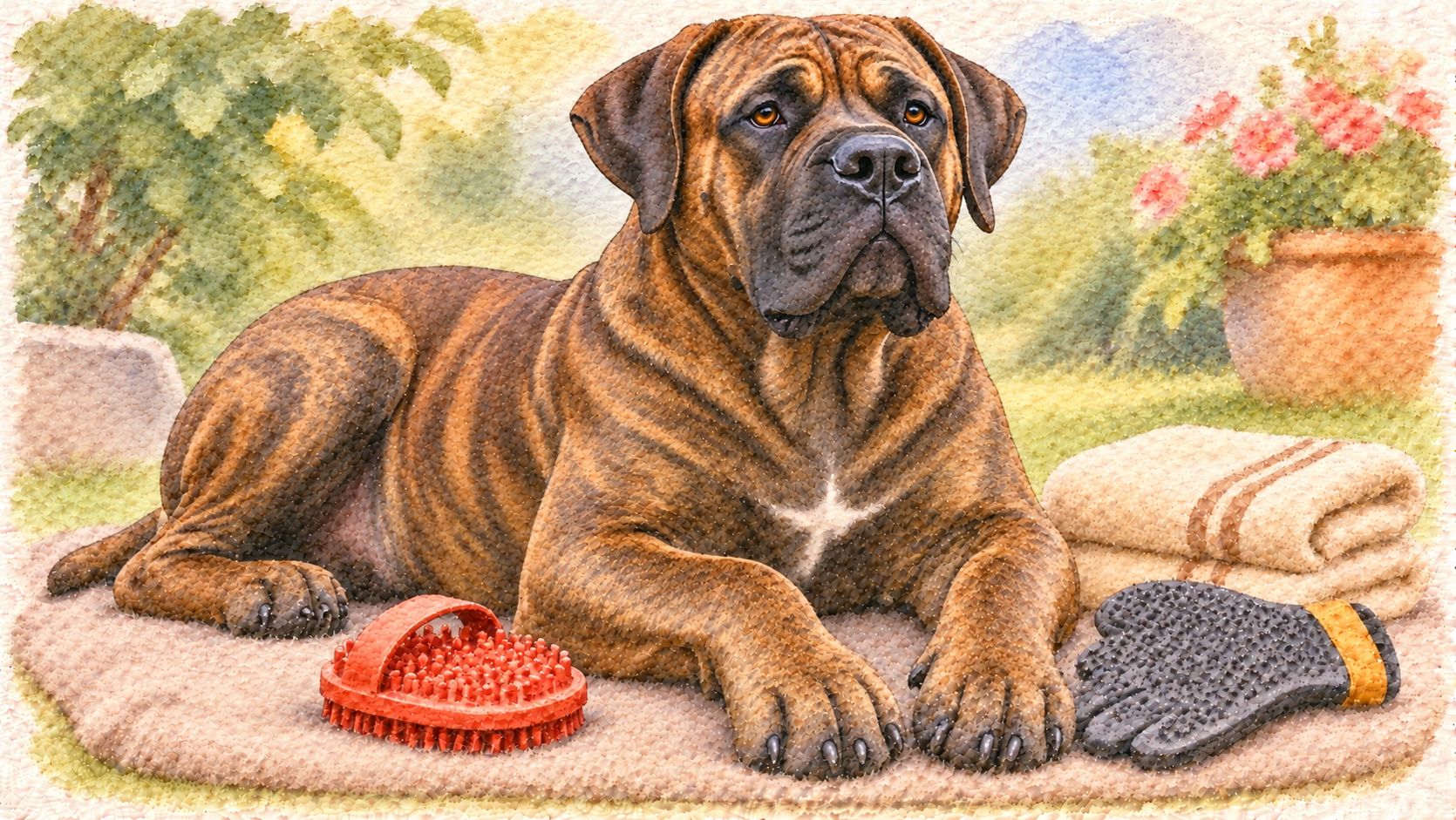
- Brushing: Brush once a week with a rubber curry brush or grooming mitt to remove loose hair and spread natural oils.
- Bathing: Bathe only when needed, since frequent baths can dry out the skin.
- Nails: Trim nails every few weeks. Start handling the paws early, because trimming a reluctant adult giant is no small task.
- Teeth: Brush your dog's teeth several times a week to support good dental health.
- Ears and face: Check the ears weekly and wipe any skin folds or drool from the face as needed.
Boerboel Health and Lifespan
How Long Do Boerboels Live?
The average Boerboel lifespan is about 9 to 11 years, which is fairly typical for a very large breed. Good breeding, a healthy weight, regular exercise and routine veterinary care all help your dog enjoy a long, comfortable life.
Like all breeds, it can be prone to certain conditions. Responsible breeders screen their dogs for common concerns, which may include:
- Hip and elbow dysplasia: Abnormal development of the hip or elbow joints, seen in many large breeds.
- Eyelid problems: Conditions such as entropion or ectropion, in which the eyelids roll inward or outward.
- Heart conditions: Some lines may be affected, so heart screening is a good idea.
- Bloat: Deep-chested breeds can be at risk of this serious stomach emergency, so learn the warning signs.
Keeping your dog lean is one of the best things you can do for its joints. Always work with your veterinarian to set up a schedule of checkups, vaccinations and preventive care.
Feeding and Nutrition
This breed does best on a high-quality dog food made for large or giant breeds. These formulas are designed to support strong joints and a healthy body weight in big dogs.
Puppies grow quickly, so they should eat a large-breed puppy food that supports steady, controlled growth. Portion sizes depend on age, weight and activity level, so follow the guidelines on the package and ask your veterinarian for advice. Many owners split daily food into two or more meals, and treats should make up only a small part of the daily calories.
History of the Boerboel
The breed's story begins in the 1600s, when Dutch, German and French Huguenot settlers arrived at the Cape of Good Hope. They brought large, strong dogs, including mastiff and bulldog types, to guard their homes. Over time, these dogs mixed with each other and with local dogs.
Life on isolated South African farms was demanding. Only the toughest, smartest and most reliable dogs survived and were bred. The result was a farm guardian that could protect against predators, help manage livestock and stay calm and trustworthy around the family.
For a long time, this was a working farm dog rather than a formal breed. In the 1980s, dedicated enthusiasts began traveling across South Africa to find and document the best remaining examples. Breed societies soon formed to protect and promote the dog.
The breed later found fans around the world. In the United States, it entered the AKC Working Group in 2015. Some countries and cities have their own rules about large guardian breeds, so it is wise for owners to check local regulations before bringing one home.
Boerboel vs Cane Corso and Bullmastiff
The Boerboel is often compared with the Cane Corso and the Bullmastiff. All three are protective mastiff-type guardians with short coats. The Cane Corso, from Italy, is usually lighter and more athletic, while the Bullmastiff, from England, is typically a bit shorter. The South African breed sits in between, combining heavy power with good agility and a famously steady temperament.
Is a Boerboel Right for You?
A Boerboel could be a wonderful match if you:
- Have experience owning large or strong-willed dogs
- Want a loyal, protective family companion
- Have a house with a large, securely fenced yard
- Can commit to early socialization and consistent training
- Can provide daily walks and mental stimulation
- Prefer a low-maintenance, short-coated breed
This breed may not be the best fit if you:
- Are a first-time dog owner
- Live in a small apartment
- Are not able to physically manage a very large, strong dog
- Want a dog that is friendly with every stranger it meets
Finding a Boerboel Puppy
When looking for a Boerboel puppy, choose a reputable breeder who health-tests their dogs and raises puppies in a home setting. A good breeder will ask you questions, welcome yours and let you meet at least one parent. Breed clubs and rescue groups are also great resources, as adult dogs sometimes need new homes.
Fun Facts About the Boerboel
- The name "Boerboel" comes from Afrikaans and is often translated as "farm dog" or "farmer's dog."
- The breed is also known as the South African Mastiff.
- The breed was developed to protect remote farms from large predators.
- The AKC added the breed to its Working Group in 2015.
- Many of these dogs sport a dark black mask on the muzzle.
- The breed name is pronounced roughly "BOOR-bull."
Frequently Asked Questions
What does "Boerboel" mean?
The name comes from Afrikaans. "Boer" means farmer, and the full name is commonly translated as "farm dog" or "farmer's dog."
How big do Boerboels get?
Males usually stand 24 to 27 inches tall and females 22 to 25 inches. Adults often weigh between about 110 and 200 pounds.
Are Boerboels good family dogs?
They can be loving, protective family dogs when properly trained and socialized. Their size means play with young children should always be supervised.
How long do Boerboels live?
The average lifespan is about 9 to 11 years with good care, a healthy diet and regular veterinary checkups.
Do Boerboels shed a lot?
They shed a moderate amount. Weekly brushing with a rubber brush or grooming mitt keeps loose hair under control.
Are Boerboels good for first-time owners?
Usually not. Their size, strength and guarding instincts make them a better match for experienced owners who can provide firm, consistent training.
Final Thoughts
The Boerboel is a true gentle giant with a guardian's heart. Calm at home, watchful of its family and easy to groom, this South African farm dog rewards experienced owners with deep loyalty. If you can offer space, steady training and plenty of time together, a Boerboel may become the most devoted companion you have ever had.