Synopsis
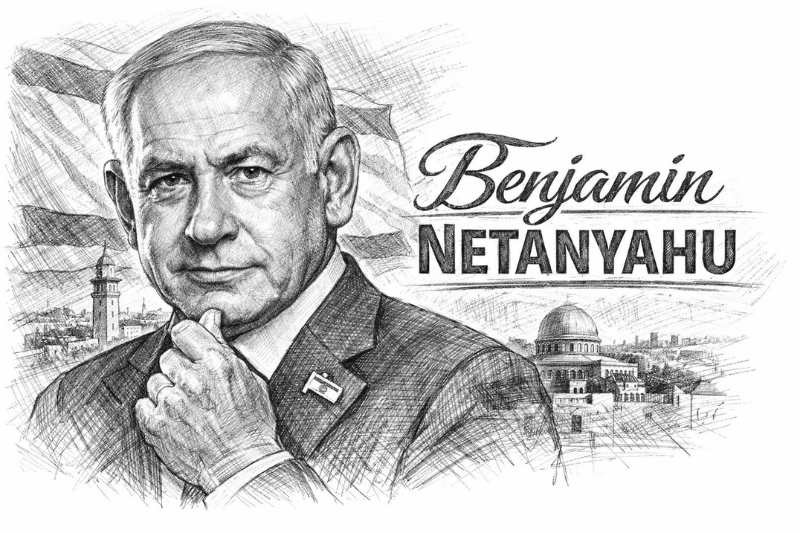
Quote of the Day by Benjamin Netanyahu: Few political figures in modern global politics have generated as much attention and debate as Benjamin Netanyahu. Known for his assertive leadership style and strong focus on national security, Netanyahu has played a central role in shaping Israel’s political landscape for decades.
One of his most widely cited statements — “If Israel lays down its arms, there will be no Israel. If the Arabs lay down their arms, there will be no more war.” — captures the core philosophy that has defined much of his political career. The quote reflects a worldview shaped by history, security concerns, and the complex geopolitical realities of the Middle East.
As global conflicts, diplomacy, and security debates continue to dominate headlines, Netanyahu’s words remain widely discussed, analyzed, and interpreted around the world.
The Quote That Reflects Netanyahu’s Worldview
Political quotes often provide insight into a leader’s philosophy. In Netanyahu’s case, many of his statements revolve around strength, deterrence, and survival in a challenging geopolitical environment.
His famous quote about Israel laying down its arms reflects a belief that security and military preparedness are essential for national survival. Supporters argue that this perspective reflects Israel’s historical experience and security challenges in a volatile region.
For critics, however, the quote symbolizes the broader tensions surrounding the decades-long conflict in the Middle East. Regardless of viewpoint, the statement has become one of the most recognizable expressions of Netanyahu’s political ideology.
In an era where global politics is increasingly influenced by security concerns, leadership quotes like this often resonate far beyond national borders.
Early Life: From Tel Aviv to the Global Stage
Benjamin Netanyahu was born on October 21, 1949, in Tel Aviv, Israel. His upbringing was shaped by both Israeli and American influences, as his family spent several years living in the United States.
His father, Benzion Netanyahu, was a respected historian who specialized in Jewish history and the Spanish Inquisition. This academic background deeply influenced Netanyahu’s worldview and his understanding of Jewish history and identity.
During his youth, Netanyahu lived for extended periods in the United States, where he became fluent in English and familiar with American culture and politics. These experiences would later play an important role in his diplomatic career.
After returning to Israel, Netanyahu served in the elite Israeli special forces unit Sayeret Matkal, part of the Israel Defense Forces (IDF). The unit is known for conducting high-risk operations and producing several future Israeli political leaders.
His military service shaped his views on national defense and strategic thinking—elements that later became central themes in his political leadership.
Education and Entry into Diplomacy
Following his military service, Netanyahu pursued higher education in the United States. He studied architecture and business administration at the Massachusetts Institute of Technology, one of the world’s leading universities.
During his time in America, Netanyahu also developed strong communication skills and an understanding of Western political systems. These skills later helped him become one of Israel’s most recognizable spokespersons on the international stage.
Netanyahu’s political career began to gain momentum in the 1980s when he entered Israeli diplomacy. He served as Israel’s ambassador to the United Nations from 1984 to 1988.
During this period, he gained global attention for his articulate defense of Israel’s policies and his ability to communicate effectively with international audiences.
Becoming Israel’s Youngest Prime Minister
Netanyahu’s rise within Israeli politics was rapid. In 1996, he became Israel’s youngest prime minister, representing the Likud.
His first term came during a period of intense regional tensions and political change. Netanyahu focused heavily on issues such as:
- National security
- Counterterrorism policies
- Economic reforms
- Diplomatic relations with major global powers
Over time, he became one of the most dominant figures in Israeli politics.
Netanyahu would go on to serve multiple terms as prime minister, making him one of the longest-serving leaders in Israel’s history.
A Defining Figure in Modern Israeli Politics
Over the decades, Netanyahu has shaped many aspects of Israel’s domestic and foreign policy.
His leadership has often emphasized:
Security and Defense
Netanyahu has consistently argued that Israel must maintain strong military capabilities to deter threats in the region.
Economic Reform
During his time in government, Netanyahu supported economic policies aimed at encouraging innovation, investment, and technological growth.
International Diplomacy
Netanyahu played a key role in strengthening Israel’s diplomatic relationships with major global powers and emerging regional partners.
One of the most significant diplomatic developments during his leadership was the Abraham Accords, which normalized relations between Israel and several Arab countries.
The agreements were widely seen as a major shift in Middle Eastern diplomacy.
Global Influence and Controversy
Few modern political leaders have attracted as much international attention and controversy as Netanyahu.
Supporters often view him as a strong leader who prioritizes Israel’s security and strategic interests. They argue that his policies have strengthened Israel’s economy, expanded diplomatic relationships, and reinforced the country’s global standing.
Critics, however, argue that his policies have contributed to ongoing tensions in the region and complicated peace negotiations.
This divide reflects broader global debates about security, diplomacy, and long-term stability in the Middle East.
Regardless of political perspective, Netanyahu’s impact on regional and global politics is undeniable.
Understanding the Meaning Behind the Famous Quote
The quote “If Israel lays down its arms, there will be no Israel” reflects a philosophy rooted in deterrence and survival.
For Netanyahu and many of his supporters, the statement emphasizes several key ideas:
- Security is essential for national survival.
- Military strength can discourage aggression.
- Peace is more likely when nations maintain the ability to defend themselves.
This perspective is often summarized by another phrase frequently associated with Netanyahu: “Peace through strength.”
In international relations, similar ideas appear in the strategies of many countries that emphasize defense capabilities as a means of preventing conflict.
However, the debate over whether strength leads to peace or prolongs tensions remains one of the central questions in global politics.
Other Notable Quotes by Benjamin Netanyahu
Throughout his political career, Netanyahu has delivered numerous speeches and statements that reflect his views on leadership and international relations.
Some of his notable quotes include:
- “Peace is purchased with strength.” – Benjamin Netanyahu
- “The weak collapse, are slaughtered and erased from history, while the strong survive.”– Benjamin Netanyahu
- “The best defense against terror is a strong offense.”– Benjamin Netanyahu
- “Israel is not just defending itself; it is defending civilization.”– Benjamin Netanyahu
These statements highlight his long-standing emphasis on resilience, security, and strategic leadership.
Why Netanyahu Remains One of the Most Discussed Leaders in the World
Decades into his political career, Benjamin Netanyahu continues to remain a central figure in global political discussions.
Several factors explain his lasting influence:
- Longevity in power – Few democratic leaders have held office for such extended periods.
- Global communication skills – Netanyahu is widely recognized for his ability to communicate effectively with international audiences.
- Strategic diplomacy – His leadership coincided with major geopolitical shifts in the Middle East.
- Strong political identity – Netanyahu’s policies and speeches consistently emphasize security and national resilience.
In an era defined by rapid geopolitical change, leaders who leave a lasting imprint on international politics inevitably become subjects of global attention.
Leadership, Legacy, and Global Debate
The legacy of Benjamin Netanyahu will likely remain a subject of discussion for many years. For some, he represents a leader who prioritized security and national strength in a challenging region. For others, he symbolizes the complexities and controversies that come with long-term political leadership during periods of conflict.
Regardless of interpretation, Netanyahu’s influence on Israel, the Middle East, and global politics is undeniable. And his famous quote about national survival continues to serve as a powerful reflection of the worldview that shaped his leadership.