Flamingos are among the most recognizable birds in the world thanks to their long necks, graceful posture, and bright pink feathers. If you enjoy learning about wildlife, these fun facts about flamingos will help you understand why these unique birds are so fascinating. From their unusual feeding habits to their impressive longevity, flamingos have many surprising traits.
One of the most unusual fun facts about flamingos is that the irrational fear of flamingos is known as Phoenicopterus phobia, and it is estimated that about 1 in 300 people experience it. While most people admire these birds for their elegance, some find their piercing eyes and long legs unsettling.
There Are Only Six Species of Flamingos
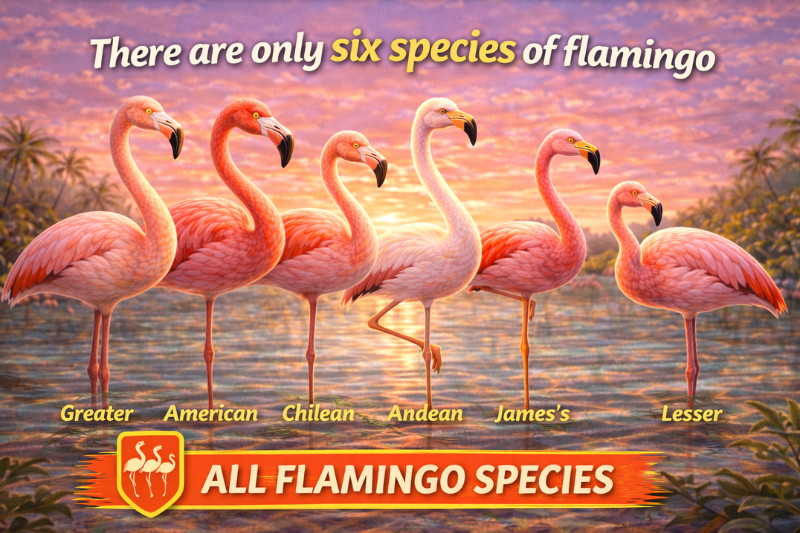
Among the most interesting fun facts about flamingos is that there are six different species worldwide. These include the Greater flamingo, Lesser flamingo, Chilean flamingo, Andean flamingo, James’ (Puna) flamingo, and American (Caribbean) flamingo. Each species is named either for its physical characteristics or the region where it is commonly found.
Flamingos Are Pink Because of Their Diet
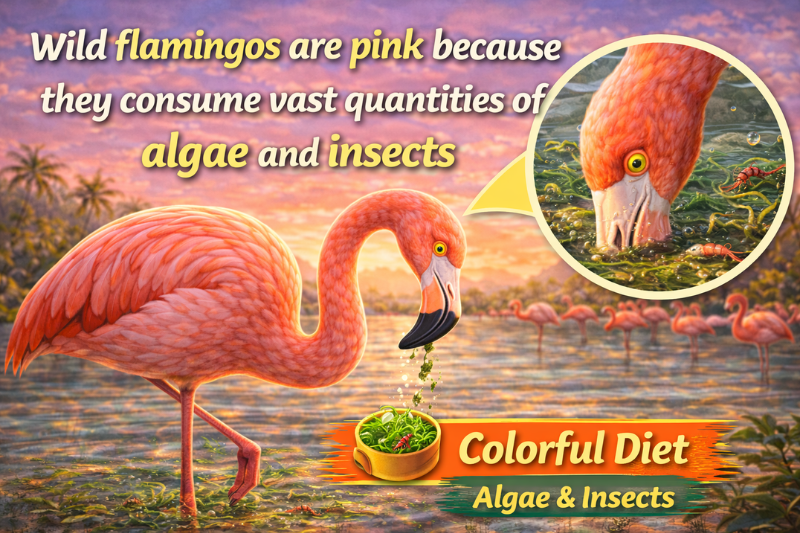
One of the best-known fun facts about flamingos is how they get their famous pink color. Wild flamingos eat algae, larvae, insects, and small crustaceans like shrimp. These foods contain beta carotene, a pigment that turns their feathers pink or reddish when digested.
Flamingos Often Stand on One Leg

A classic behavior included in many fun facts about flamingos is their habit of standing on one leg. Flamingos lose heat through their legs and feet because they live in wetlands. Standing on one leg helps them conserve body heat and maintain their energy.
Flamingos Have Extremely Flexible Necks
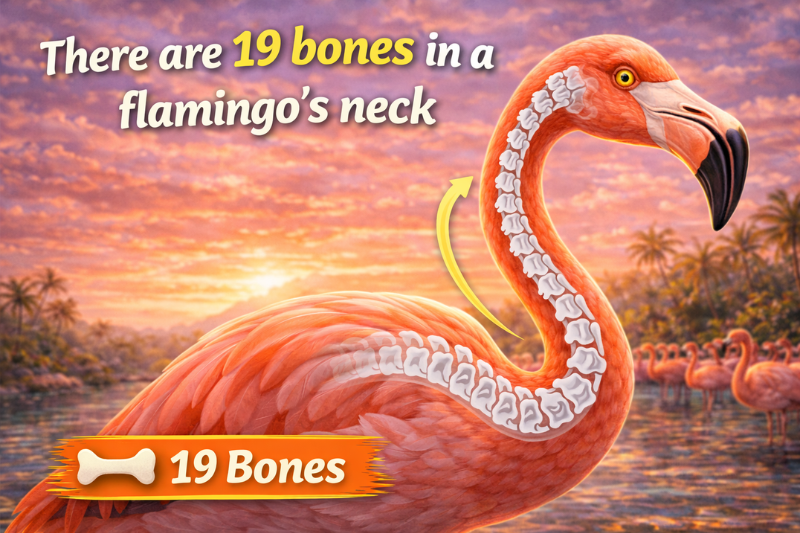
Another surprising entry in the list of fun facts about flamingos is that their necks contain 19 vertebrae. This large number of bones allows flamingos to move their necks easily when feeding or grooming their feathers.
Different Flamingos Have Different Beaks

Not all flamingos eat the same foods. Lesser, James’, and Andean flamingos have deep-keeled bills that help them filter algae from water. Greater, Chilean, and American flamingos have shallow-keeled bills, allowing them to eat insects, small fish, and other aquatic organisms.
The “Knee” in a Flamingo’s Leg Is Actually Its Ankle
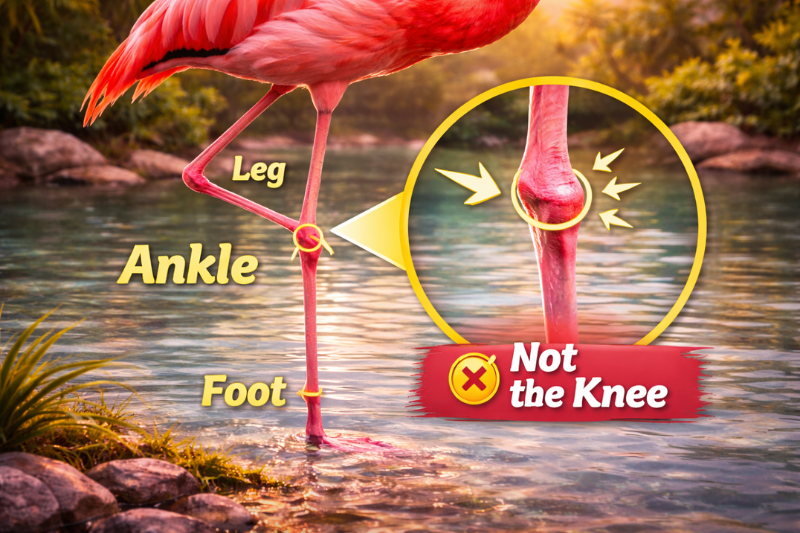
One of the most surprising fun facts about flamingos is that the bend halfway down their leg is not a knee but an ankle. Much of the flamingo’s leg is actually made up of elongated foot bones, meaning they are essentially standing on their toes.
Flamingos Fly with Their Legs Extended

Unlike many birds that tuck their legs while flying, flamingos stretch their long legs straight behind them. This posture helps them stay balanced and aerodynamic during flight.
Flamingos Usually Lay One Egg Each Year

Among the more family-related fun facts about flamingos is that they typically lay only one egg per year. Flamingos reach maturity between three and six years old, and both parents help care for the egg. The egg usually hatches after 27 to 31 days.
Some People Have a Fear of Flamingos
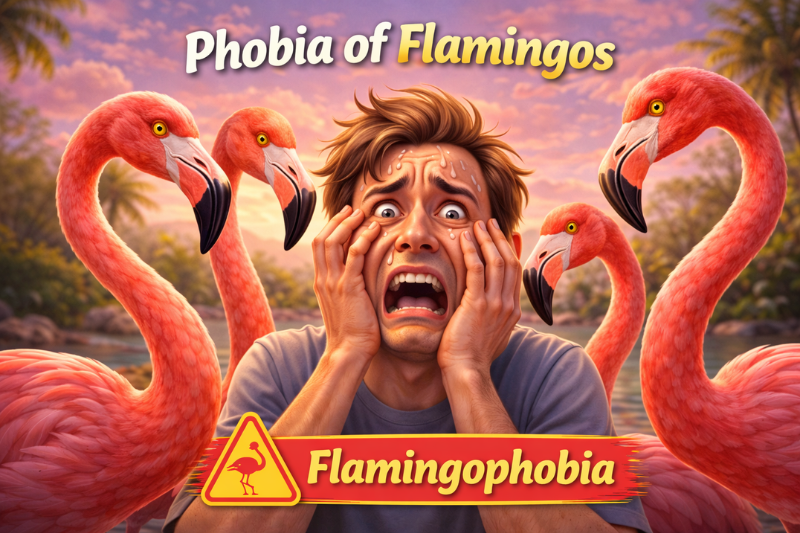
Phoenicopterus phobia is rare but real. Some people feel uneasy about flamingos because of their bright eyes, thin legs, and unusual body shape. While cartoon flamingos appear friendly, real flamingos can look quite intense up close.
The Oldest Flamingo Lived to Be 83

One of the most remarkable fun facts about flamingos involves their lifespan. The oldest flamingo on record, named Greater, lived to be 83 years old at the Adelaide Zoo in Australia. In the wild, flamingos usually live 20 to 30 years, while those in zoos may live up to 50 years.
Flamingos Are the National Bird of The Bahamas
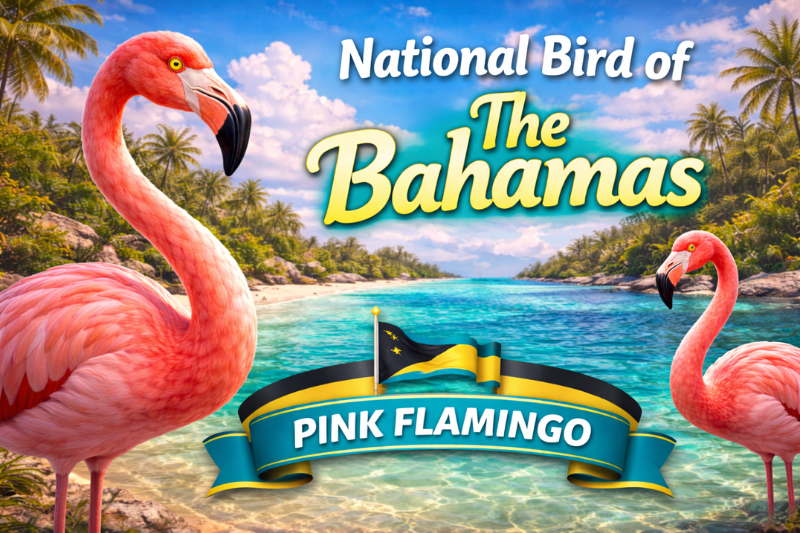
Another cultural highlight in the list of fun facts about flamingos is that the flamingo is the national bird of The Bahamas. The Caribbean flamingo is commonly found throughout the islands and is protected by conservation efforts.
Flamingos Feel Safer in Large Groups

Flamingos are very social birds and usually gather in large groups. Staying together helps protect them from predators, especially when they are feeding with their heads underwater.
A Group of Flamingos Is Called a Flock
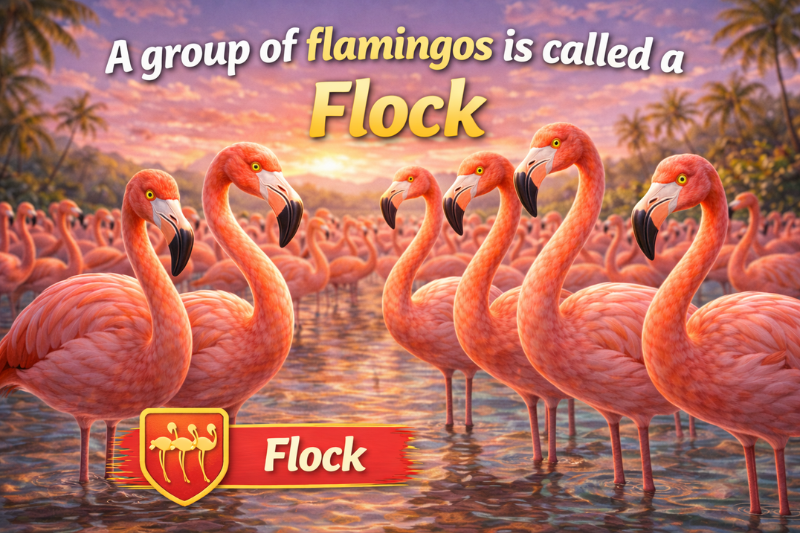
When flamingos gather together, the group is called a flock (sometimes also a colony). These flocks can include hundreds or even thousands of birds, especially during migration or breeding seasons.
Flamingos Feed with Their Heads Upside Down
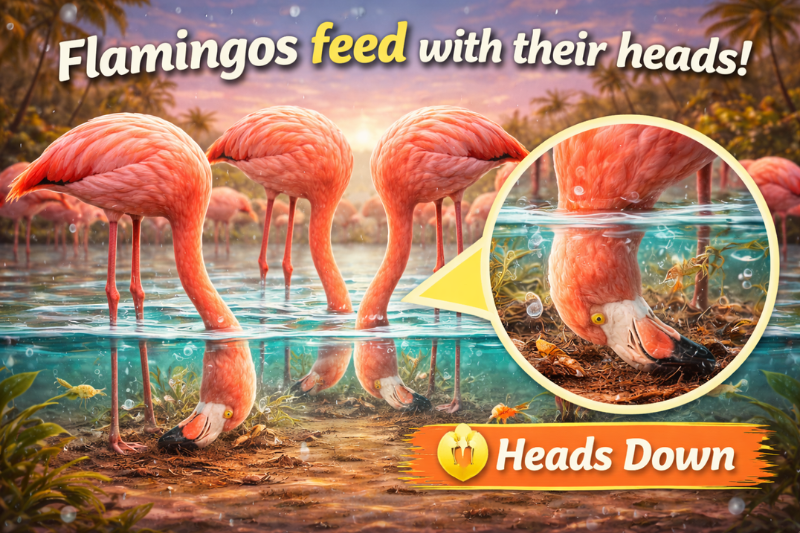
One of the most unusual fun facts about flamingos is the way they eat. Flamingos feed with their heads upside down, using specialized filters in their beaks to separate food from water and mud.
The Name “Flamingo” Means Flame-Colored
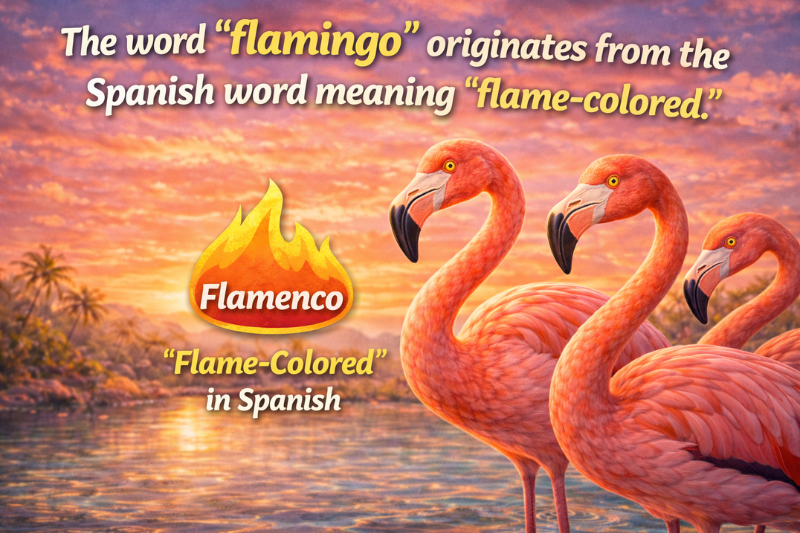
The word “flamingo” comes from the Spanish word “flamenco,” meaning flame-colored, referring to the bird’s vibrant feathers. The scientific name Phoenicopterus translates from Greek as “blood-red feathered.”
Flamingos are truly remarkable birds known for their vibrant color, social nature, and unusual behaviors. These fun facts about flamingos reveal just how adaptable and fascinating they are. Found in wetlands and salt flats around the world, flamingos continue to captivate people with their elegance and unique lifestyle.