The World Wide Web (WWW) has completely changed the way we live, work, and communicate. Every time you open a browser, read an article, scroll through social media, or shop online, you’re using the Web. But what exactly is it?
The World Wide Web is a massive collection of interconnected web pages and digital resources that you access through the internet. While the internet is the infrastructure, the Web is what allows you to browse websites, click links, and interact with content worldwide.
Invented in 1989 by Tim Berners-Lee, the Web started as a simple tool for scientists. Today, it powers global communication, online businesses, digital education, entertainment, and much more.
Here are 20 interesting and easy-to-understand facts about the World Wide Web that show how it evolved and why it matters.
The Birth of the World Wide Web
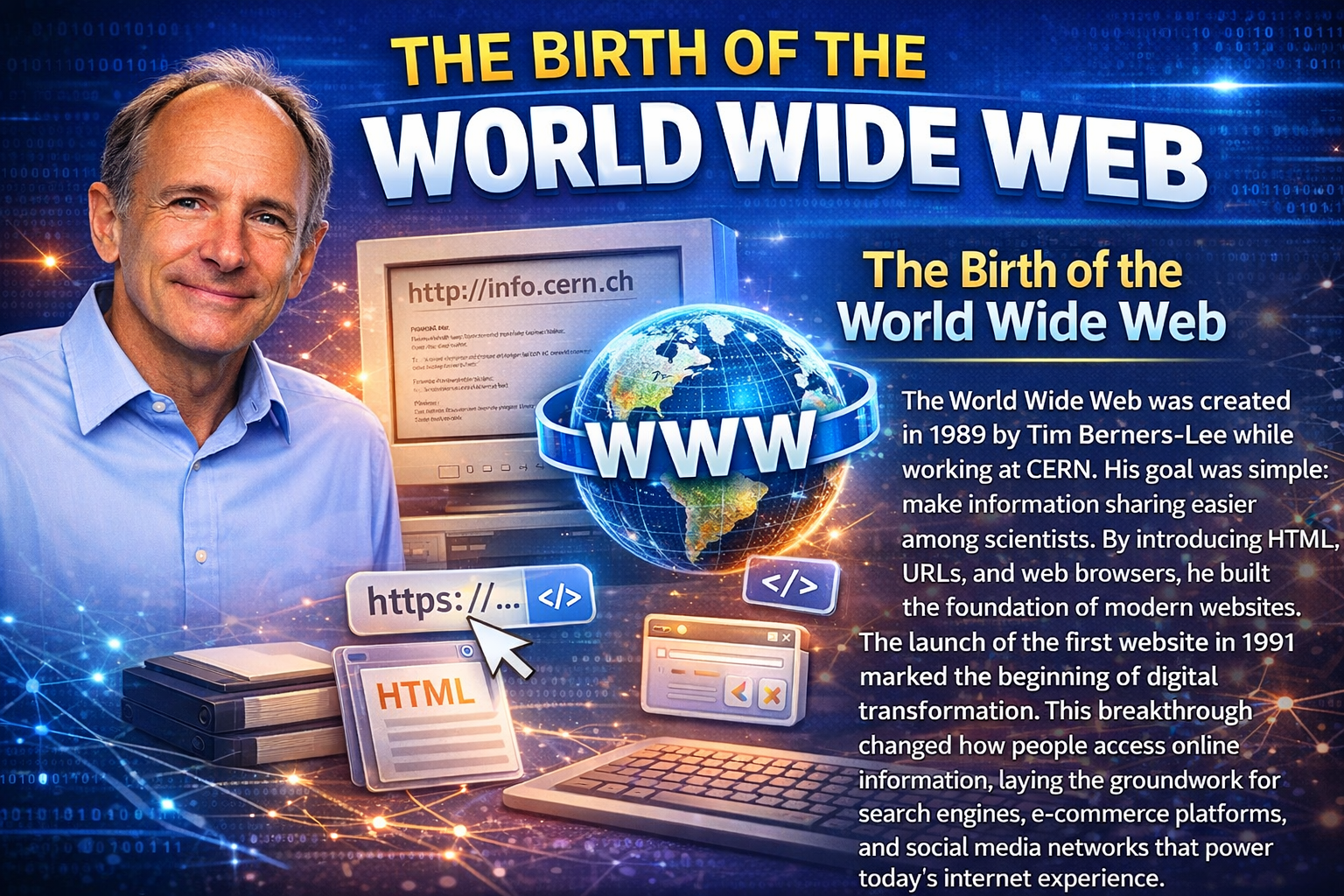
The World Wide Web was created in 1989 by Tim Berners-Lee while working at CERN. His goal was simple: make information sharing easier among scientists. By introducing HTML, URLs, and web browsers, he built the foundation of modern websites. The launch of the first website in 1991 marked the beginning of digital transformation. This breakthrough changed how people access online information, laying the groundwork for search engines, e-commerce platforms, and social media networks that power today’s internet experience.
1. Invented by Tim Berners-Lee
In 1989, while working at CERN, Tim Berners-Lee developed the idea of linking documents through a system that scientists could access globally. That idea became the World Wide Web.
2. The First Website Went Live in 1991
The very first website — info.cern.ch — went live on August 6, 1991. It explained what the World Wide Web was and how people could create their own web pages. Amazingly, it’s still accessible today.
3. HTML Was the Web’s First Language
HTML (HyperText Markup Language) was the original coding language used to build web pages. It introduced hyperlinks, allowing users to jump from one page to another with a simple click.
The Growth of the Web
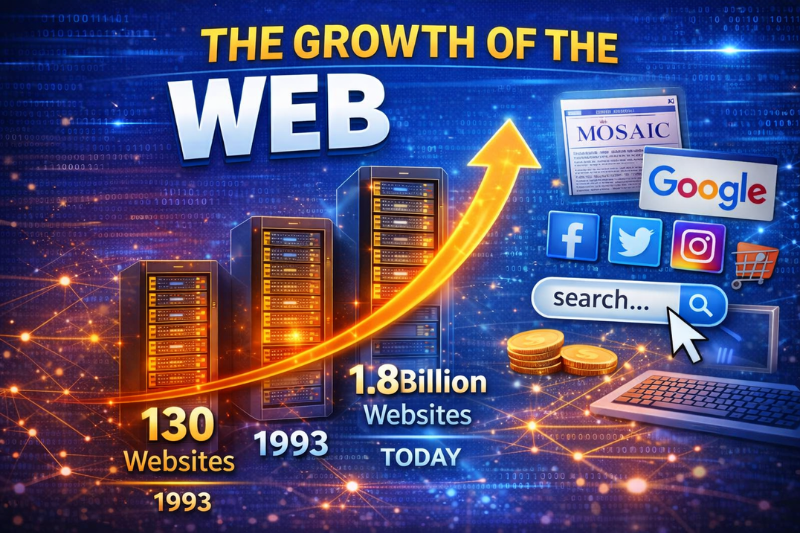
What started as a research project quickly became a global digital revolution. In 1993, there were only around 130 websites; today, there are billions. The introduction of user-friendly browsers like NCSA Mosaic helped the public explore the Web easily. Later, search engines such as Google improved website visibility and information discovery. Rapid growth in broadband internet, mobile devices, and cloud computing accelerated website development, making the World Wide Web an essential platform for communication, business, and digital marketing worldwide.
4. HTML Was the Web’s First Language
In 1993, there were only about 130 websites. Today, there are more than 1.8 billion websites online, covering everything from news and business to hobbies and entertainment.
5. Browsers Opened the Web to Everyone
The first browser was created by Berners-Lee, but NCSA Mosaic, released in 1993, made browsing user-friendly. It allowed people without technical knowledge to explore the Web easily.
6. Search Engines Made Finding Information Easy
Before search engines, finding information online was difficult. Early tools like Archie helped organize files, but the launch of Google in 1998 transformed how we search by ranking pages based on relevance.
The Impact of the Web
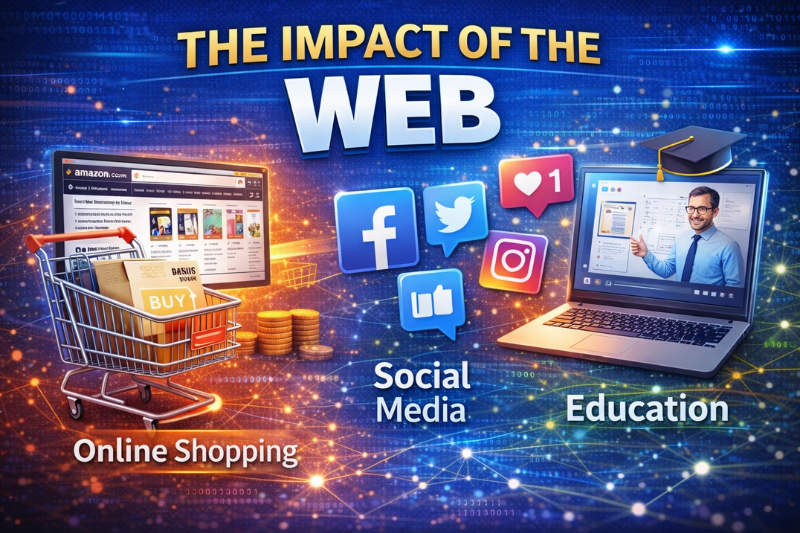
The World Wide Web reshaped industries, economies, and daily life. E-commerce platforms like Amazon transformed online shopping, while social media networks such as Facebook changed communication forever. Businesses adopted digital marketing strategies, and remote work became possible through web-based tools. The Web also revolutionized online education, entertainment streaming, and global news access. Today, the WWW drives innovation, entrepreneurship, and global connectivity, influencing everything from small startups to multinational corporations.
7. Online Shopping Became Reality
In 1994, Amazon launched as an online bookstore. It later became one of the world’s largest e-commerce platforms, proving that shopping could move online.
8. Social Media Changed Communication
Platforms like Facebook, Twitter, and Instagram transformed how people connect. Today, conversations, news, and trends spread instantly across the globe.
9. Education Became More Accessible
Online learning platforms such as Khan Academy and Coursera allow students to learn from anywhere, breaking geographical barriers.
The Future of the Web
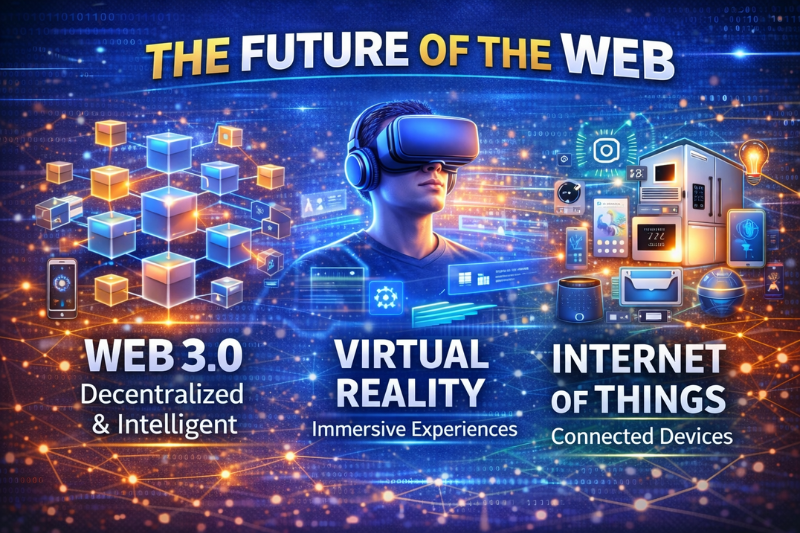
The future of the World Wide Web is driven by innovation. Web 3.0 aims to create a smarter, more personalized browsing experience using artificial intelligence and decentralized technologies. Virtual reality (VR) and augmented reality (AR) are enhancing immersive online experiences. Blockchain technology is improving digital security and transparency. As mobile-first design, cloud infrastructure, and AI-powered search evolve, the Web will continue transforming digital business, online privacy, and global communication, shaping the next generation of internet users.
10. Web 3.0 Is Emerging
Web 3.0 aims to make the Web smarter and more personalized. Often called the Semantic Web, it focuses on understanding data context rather than just displaying information.
11. Virtual Reality Is Becoming Part of the Web
Virtual Reality (VR) is creating immersive online experiences, from virtual tours to interactive games and digital events.
12. The Internet of Things Is Expanding
The Internet of Things (IoT) connects everyday devices — like smart thermostats and wearable tech — to the Web, allowing them to share and process data in real time.
Fun Facts About the Web
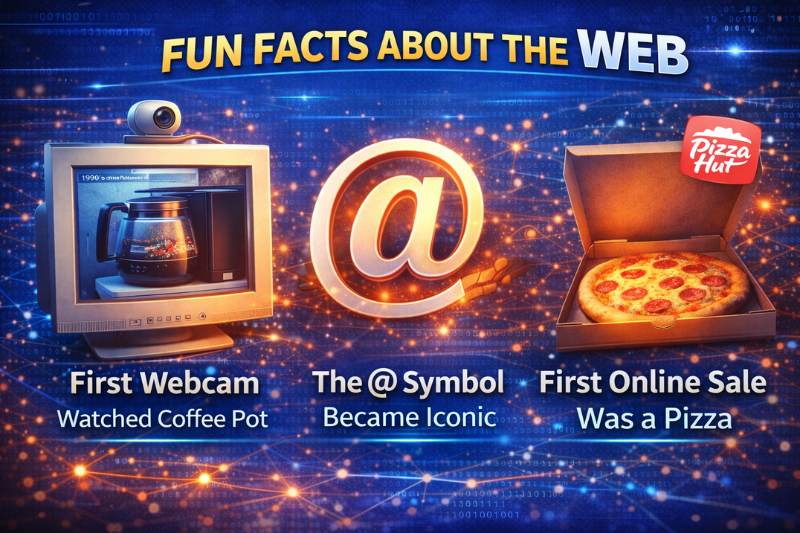
The Web has a fascinating history filled with surprising milestones. The first webcam monitored a coffee pot at Cambridge University. The very first website, info.cern.ch, is still online today. Early online purchases included pizza orders from Pizza Hut. Even the “@” symbol became globally recognized thanks to email communication. These quirky moments highlight how the World Wide Web evolved from a technical experiment into a global cultural phenomenon.
13. The First Webcam Watched a Coffee Pot
In 1993, researchers at the University of Cambridge installed a webcam to monitor a coffee pot so they could check if coffee was available without leaving their desks.
14. The @ Symbol Became an Internet Icon
The “@” symbol became widely recognized because of email addresses. It separates the username from the domain name and became a symbol of digital communication.
15. One of the First Online Sales Was Pizza
In 1994, Pizza Hut allowed customers to order pizza online — marking one of the earliest examples of online food delivery.
Security and Privacy on the Web
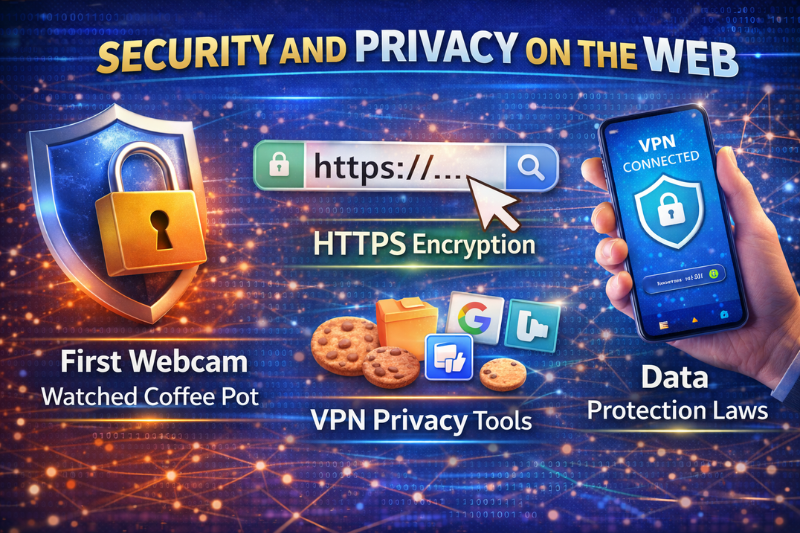
As the Web expanded, cybersecurity became essential. HTTPS encryption now protects sensitive user data during online transactions. Tools like VPNs enhance privacy by masking IP addresses and securing browsing activity. Search engines and websites use cookies to personalize user experiences, but data protection laws now regulate how information is collected. With rising cyber threats, businesses invest heavily in web security solutions, firewalls, and encryption technologies to ensure safe online shopping, secure payments, and protected digital identities.
16. HTTPS Keeps Data Secure
HTTPS encrypts data exchanged between a browser and a website, helping protect sensitive information like passwords and credit card details.
17. Cookies Personalize Browsing
Cookies are small data files stored on your device. They help websites remember preferences, login details, and browsing activity.
18. VPNs Enhance Online Privacy
Virtual Private Networks (VPNs) hide your IP address and encrypt internet traffic, offering safer and more private browsing.
The Web’s Cultural Influence
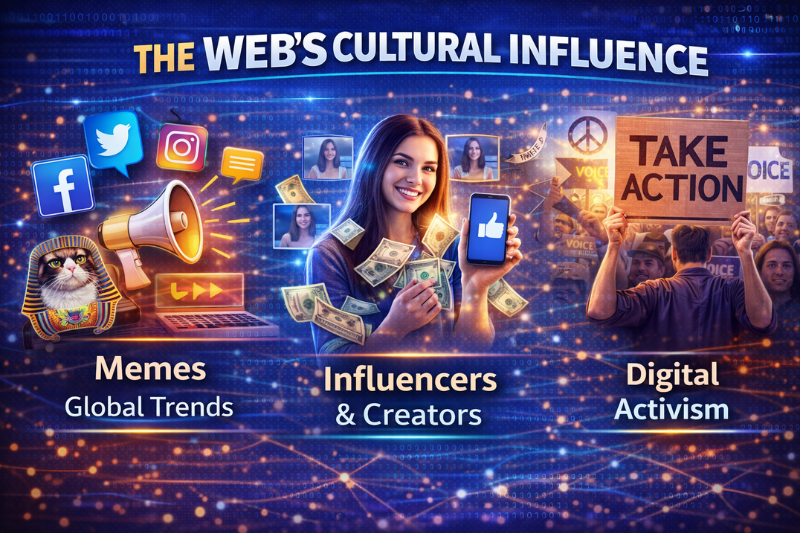
The World Wide Web has transformed global culture. Viral videos, memes, and trending hashtags spread instantly across platforms like Instagram and Twitter. Online communities connect people with shared interests worldwide. Influencer marketing, digital content creation, and streaming services have reshaped entertainment industries. From activism campaigns to global movements, the Web empowers individuals to share ideas, express creativity, and influence society in real time, making it one of the most powerful communication tools in history.
19. Memes Became Global Trends
Memes — funny images, videos, or phrases — spread rapidly online. They reflect humor, politics, and social trends across cultures.
20. Viral Videos Reach Millions
Videos like “Charlie Bit My Finger” became global sensations, proving how quickly content can spread across the Web.
The World Wide Web’s Impact on Our Lives
The World Wide Web has become an essential part of daily life. With just a few clicks, we can connect with people across continents, learn new skills, build businesses, and explore endless information.
From its beginnings at CERN to today’s advanced digital platforms, the Web continues to evolve. As new technologies like Web 3.0, VR, and IoT develop, the future promises even more innovation.
Understanding how the Web works — and how it began — helps us appreciate its power. The World Wide Web isn’t just technology; it’s a global space shaped by human creativity, connection, and possibility.